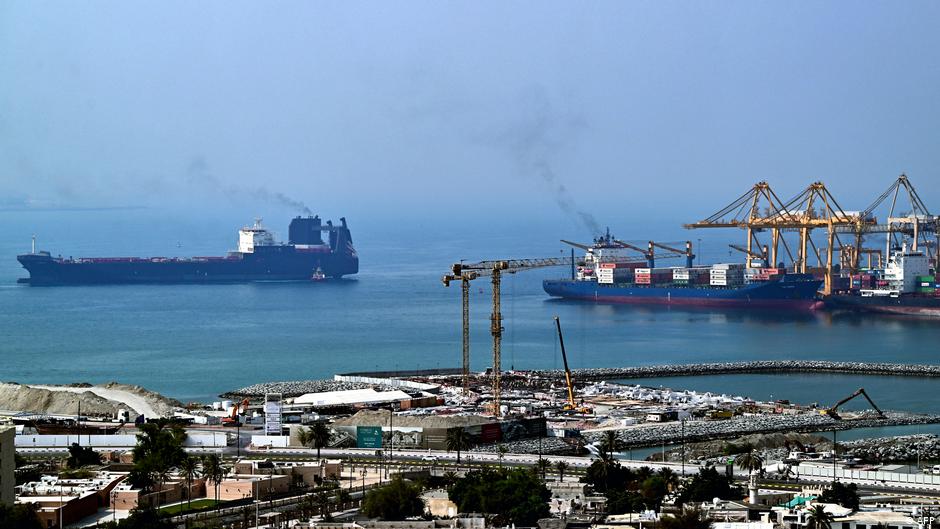
Gulf oil and gas exporters are increasingly looking to pipeline networks as risks mount around the Strait of Hormuz, a critical route for global energy shipments. Renewed fighting linked to rising US-Iran tensions has sharpened concerns that traffic through the narrow waterway could face further disruption.
The Strait of Hormuz remains strategically vital because a large share of the region’s energy exports passes through it. Any threat to shipping in the area can quickly raise worries about delays, higher transport costs and broader pressure on international energy markets.
That has pushed attention toward overland infrastructure designed to reduce dependence on the strait. Pipelines offer producers an alternative path to move crude and gas, but they are not a perfect solution. Questions are now growing over whether routes built to bypass Hormuz could themselves come under greater scrutiny or risk as the confrontation deepens.
The shift highlights a wider challenge for Gulf exporters: diversifying export options without assuming any single route is fully insulated from regional conflict. As tensions persist, both maritime chokepoints and pipeline corridors are likely to remain central to the energy security calculations of producers and traders alike.