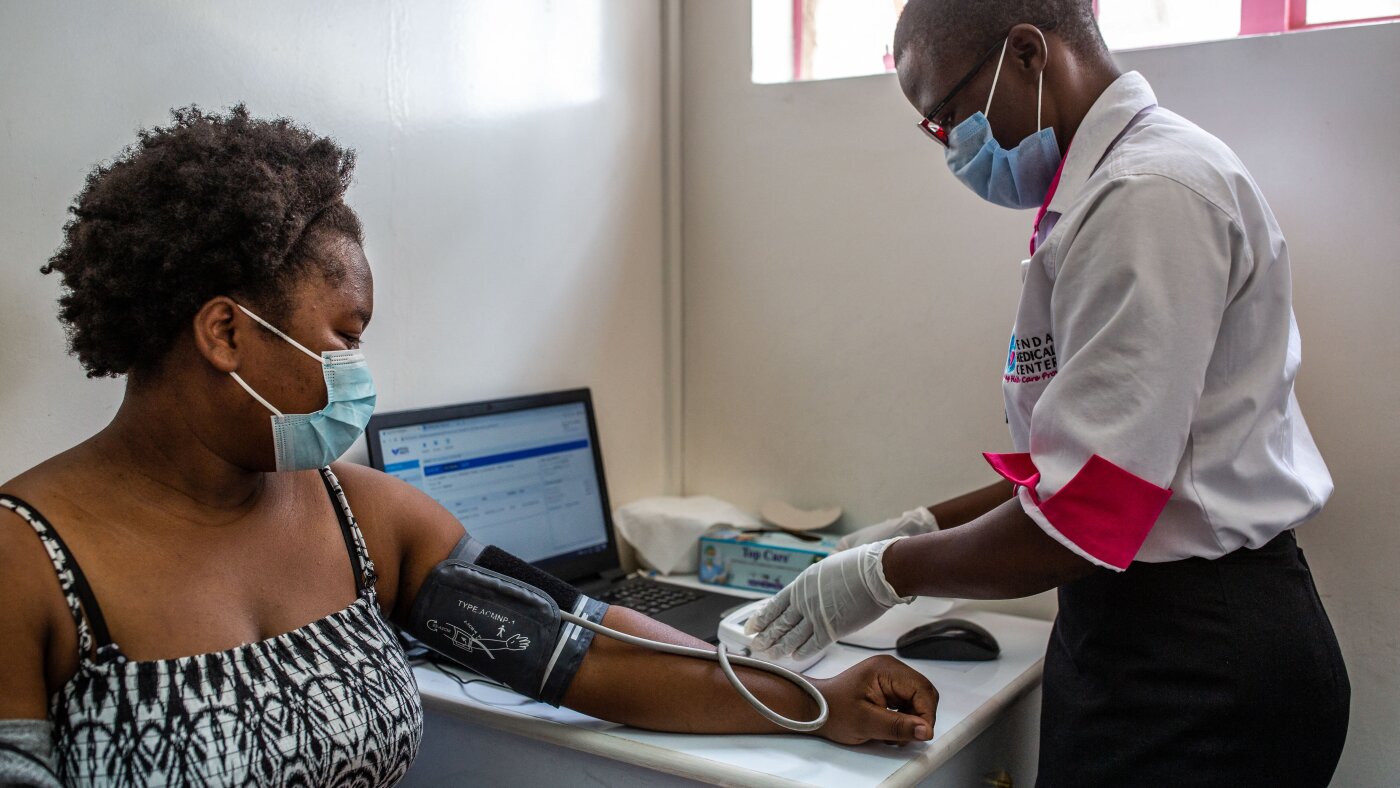
A new study is looking at whether an AI tool used in a Nairobi clinic actually helped patients when it served as a second review for clinicians. The system was designed to check a medical worker’s assessment during a visit and flag issues that might need another look.
One example described in the report involves a 4-month-old boy who came in with a fever and a stuffy nose. A clinician initially suspected a common cold, but the software produced an on-screen alert urging her to examine his heart. That kind of prompt captures the promise behind clinical AI: catching something a busy provider may not have focused on first.
The study goes beyond the usual discussion about whether artificial intelligence can generate useful suggestions. Instead, it asks the more important question for healthcare systems: did those alerts improve care for patients? In clinics where staff are stretched and patient volumes are high, tools that help with double-checking decisions are often promoted as a way to reduce missed warning signs.
At the same time, the Nairobi experience highlights why real-world evidence matters. An AI assistant may sound helpful in theory, but its value depends on how well it fits into clinical work and whether its prompts lead to better decisions rather than extra noise. This study adds to the growing debate over how AI should be used in healthcare, with patient benefit—not just technical performance—at the center.