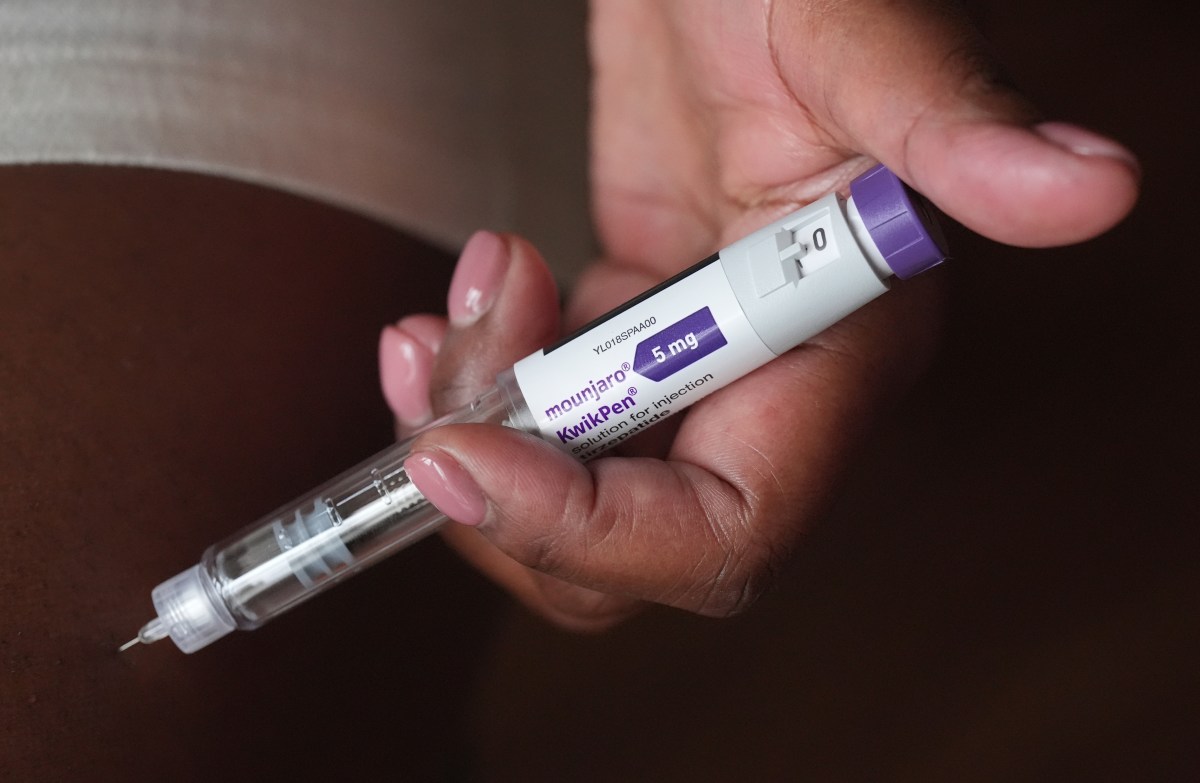
Pharmacists and other experts are warning that people using prescription weight loss drugs need to think about nutrition as carefully as they think about appetite control. As these medicines become more common for obesity and type 2 diabetes, specialists say some patients may end up eating too little overall and develop signs of undernutrition.
The concern is not simply weight loss, but whether the body is still getting enough protein, vitamins, minerals and energy. Because these drugs can reduce hunger, patients may skip meals or eat very small amounts without realizing that their diet has become unbalanced. That can make food quality more important, not less.
Experts' advice centers on choosing nutrient-dense meals and snacks instead of relying on whatever feels easiest to tolerate. Foods that provide protein, fiber and a broad mix of nutrients are generally seen as important, along with regular hydration. Smaller, balanced meals may help people who have less appetite still meet their nutritional needs.
The broader message from pharmacists is that patients should not assume a lower appetite automatically means a healthier diet. People taking weight loss medication for obesity or type 2 diabetes may need to plan meals more carefully and discuss diet concerns with a healthcare professional to reduce the risk of undernutrition while staying on treatment.