Saudi Arabia has long relied on a simple contingency plan for oil exports: if the Strait of Hormuz faces disruption, crude can be redirected west through the East-West Pipeline to Yanbu on the Red Sea. That route has been treated as the kingdom’s main alternative to the Persian Gulf.
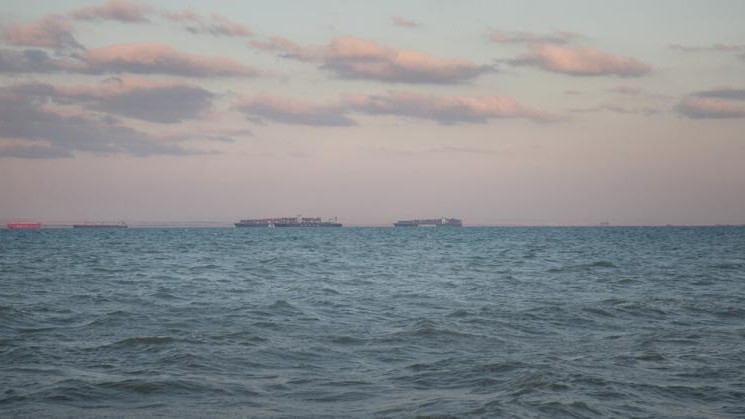
The problem now is that the Red Sea itself is emerging as a major chokepoint. The article points to growing security pressure in the area, with Houthi attacks expanding the risk around Red Sea shipping lanes. That weakens the value of Saudi Arabia’s backup route at the very moment it could be needed most.
Yanbu and the East-West Pipeline remain strategically important because they give Saudi Arabia a way to bypass Hormuz. But if threats in the Red Sea continue to intensify, the kingdom could face a narrower set of safe and reliable export options. In effect, a route designed to reduce one bottleneck is increasingly exposed to another.
For energy markets, the shift matters because Saudi export flexibility is a key part of global supply stability. If both the Persian Gulf and Red Sea carry elevated risk, traders and policymakers may have to reassess how secure Saudi oil flows really are during a regional disruption.