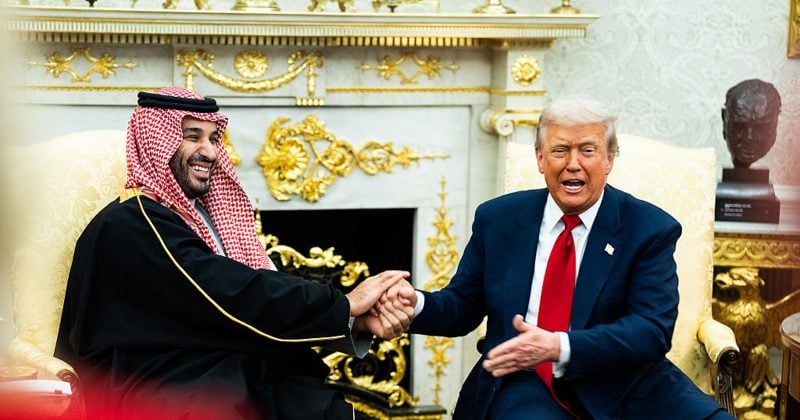
Saudi Arabia and the United States have finalized a 30-year civilian nuclear deal under a so-called 123 Agreement, creating a new framework for nuclear cooperation between the two countries. The arrangement is notable because it opens the door to possible uranium enrichment on Saudi soil, a step described as a first in US nuclear diplomacy in the Gulf region.
The agreement marks a significant development in both energy policy and regional strategy. For Saudi Arabia, it points to a broader push to expand its energy mix through civilian nuclear power. For Washington, it signals a willingness to deepen long-term nuclear cooperation with a key Gulf partner under a formal legal structure.
The deal is also drawing attention from commodity and energy markets. Because uranium enrichment and nuclear fuel supply are closely linked to the broader nuclear power chain, the agreement could influence expectations around uranium demand, fuel processing, and future investment tied to civilian nuclear projects.
Beyond the immediate bilateral impact, the pact may reshape how investors and policymakers view the Gulf’s role in future energy markets. With a long-term framework now in place, the Saudi-US agreement is likely to be watched closely for its effect on regional energy planning, uranium trade, and the evolving balance between traditional and nuclear power sources.