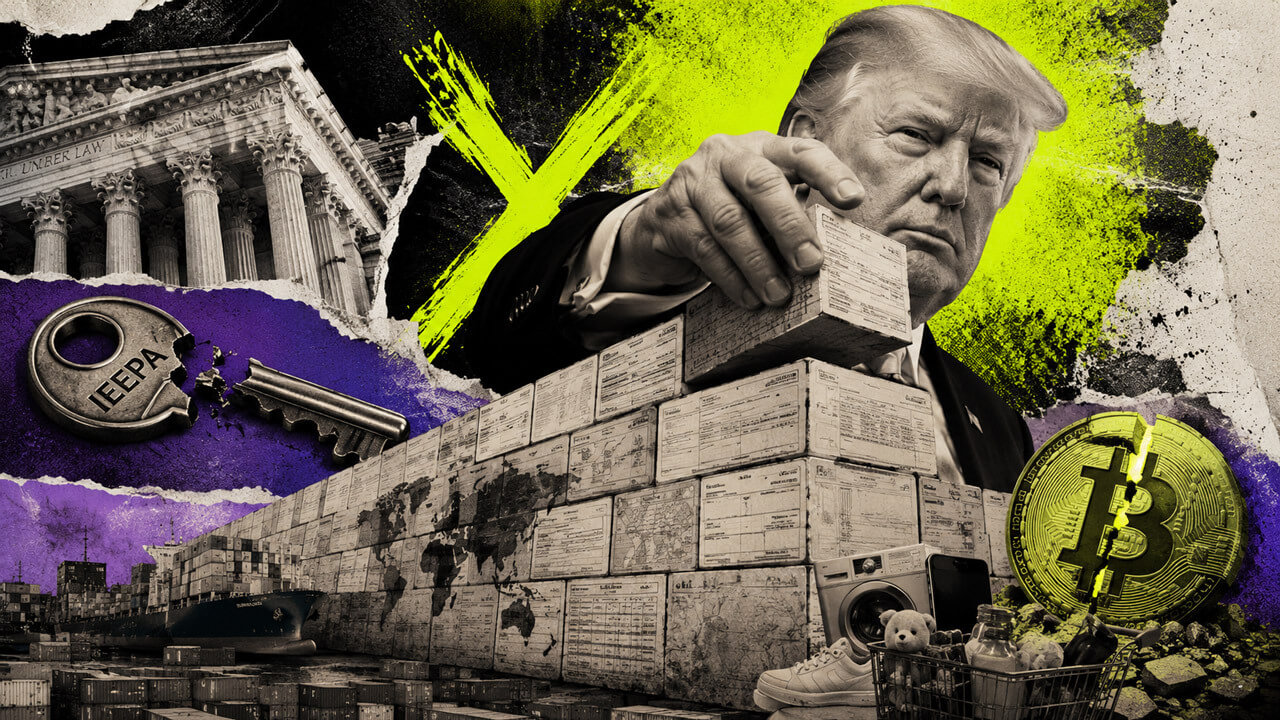
President Donald Trump’s new tariff plan affects more than 80 countries and economies, marking a broad new phase in the administration’s trade strategy. The move comes after the Supreme Court struck down most of the administration’s earlier tariffs, forcing the White House to pursue a different path for imposing import levies.
Based on the available details, the new approach relies on country-specific trade investigations rather than simply reviving the previous tariff structure. The list mentioned in the report includes a wide range of trading partners, from major economies such as China, Canada, Brazil and Australia to smaller markets across Africa, Asia, Latin America and the Middle East.
That wide scope helps explain why the new tariffs are drawing attention. Instead of focusing on only a handful of nations, the administration appears to be applying pressure across many parts of the global trading system. For businesses, the practical effect could be renewed uncertainty over import costs, supply chains and which countries may face higher barriers in the U.S. market.
In simple terms, the policy shift reflects an effort to keep tariffs in place after a legal setback. While the exact rates and timing may vary by country or investigation, the central issue is the same: the administration is trying to preserve a hard-line trade agenda by using a new legal and procedural framework.