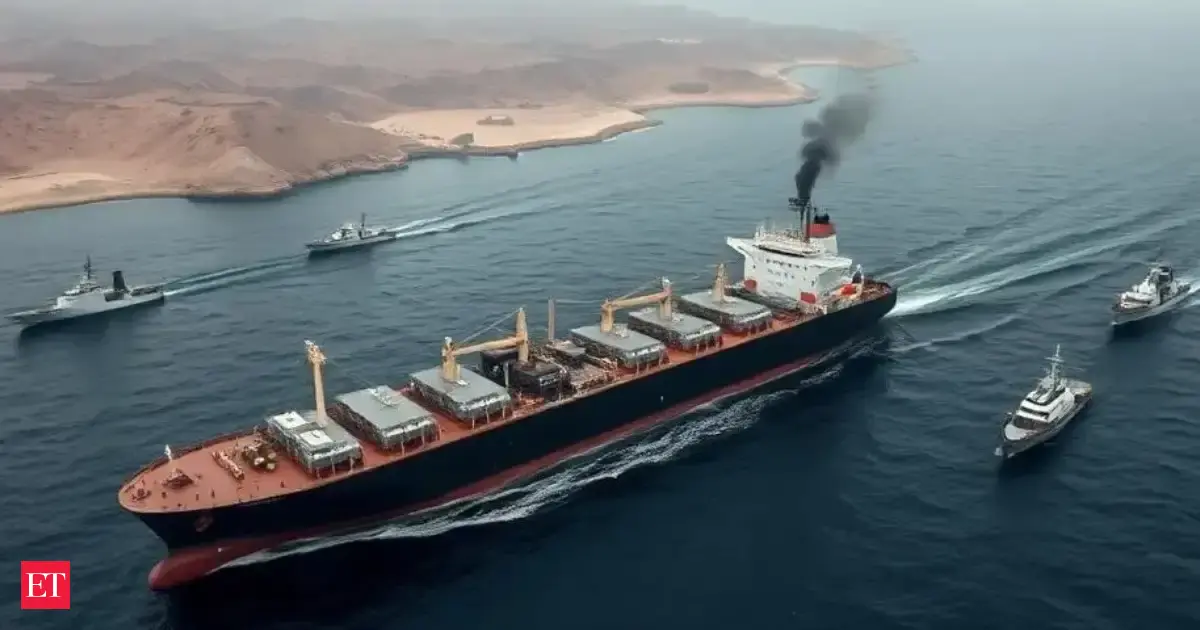
Persian Gulf countries are expected to step up borrowing as they finance major projects designed to reduce dependence on the Strait of Hormuz. The focus is on costly new ports, pipelines and transport connections that could give oil exporters more flexibility while the Iran war continues.
Traders and investors are watching for a further rise in debt sales from the region. According to the report, bond issuance from Gulf borrowers has already climbed to a record $112 billion this year, underscoring how quickly financing needs are growing as governments and related entities pursue large infrastructure plans.
The spending push reflects the strategic importance of finding alternatives to a chokepoint that is critical for energy shipments. By investing in bypass routes, Gulf states are seeking to lower disruption risks and strengthen export logistics if tension around the Strait of Hormuz remains elevated.
The expected borrowing wave also points to a broader shift in how the region is funding long-term security and trade infrastructure. If issuance continues to accelerate, Gulf debt markets may play an even bigger role in paying for projects aimed at protecting oil flows and regional commerce.