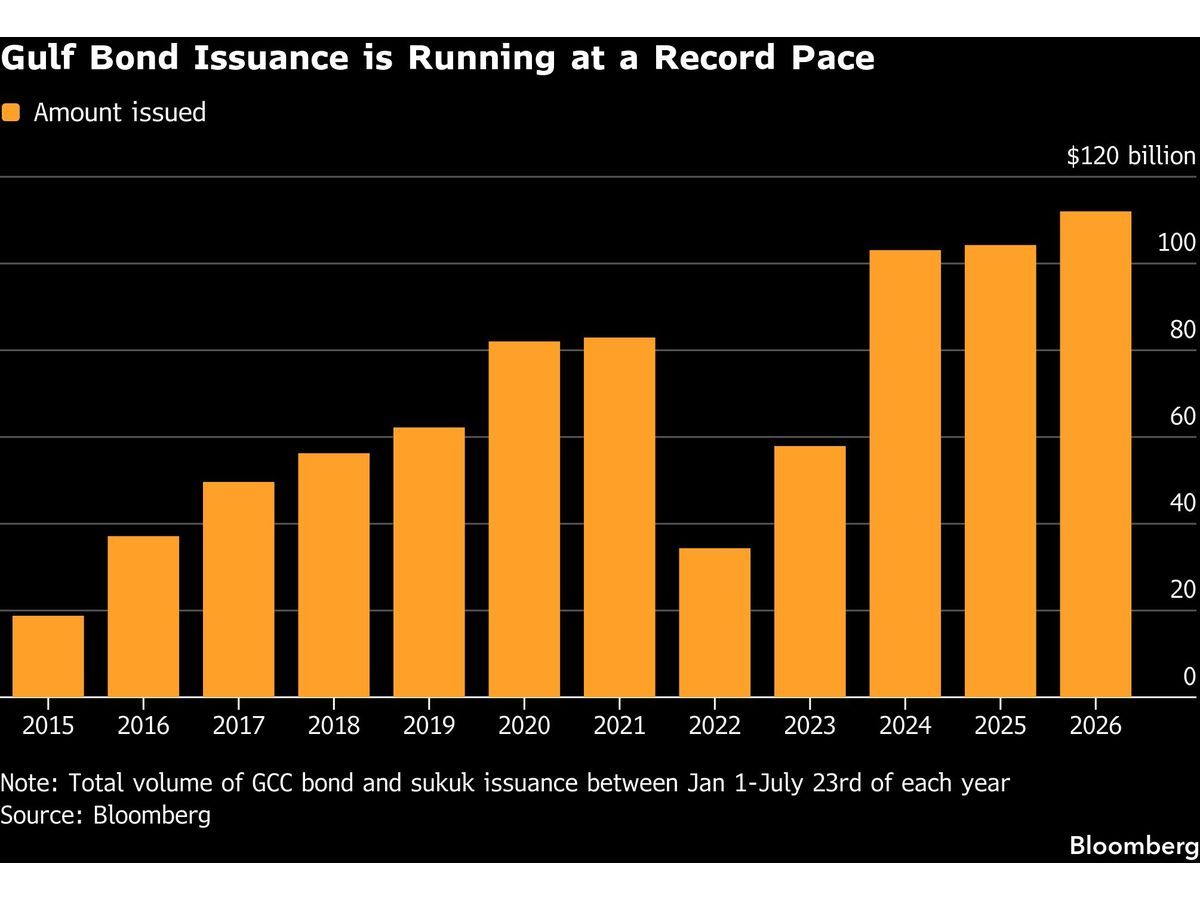
Traders are bracing for a rise in borrowing by Gulf states as oil-exporting countries in the Persian Gulf look for financing to develop routes that avoid the Strait of Hormuz. The expected debt wave points to growing interest in large infrastructure spending tied to energy exports and regional transport security.
The focus is on costly bypass projects designed to reduce dependence on the Strait of Hormuz, one of the world’s most important oil transit points. For producers in the region, alternative routes could help protect export flows and give them more flexibility when moving crude and related shipments to global markets.
That shift is important for debt markets because these projects are likely to require significant capital. Investors and traders are therefore watching for more bond issuance and other borrowing activity from Gulf nations as governments and state-linked entities seek funds for long-term construction plans.
The broader market takeaway is that energy-producing states in the Gulf may increasingly pair strategic infrastructure goals with heavier use of debt financing. If borrowing does accelerate, it would underline how central the Strait of Hormuz remains to global oil trade, even as exporters spend heavily to build ways around it.