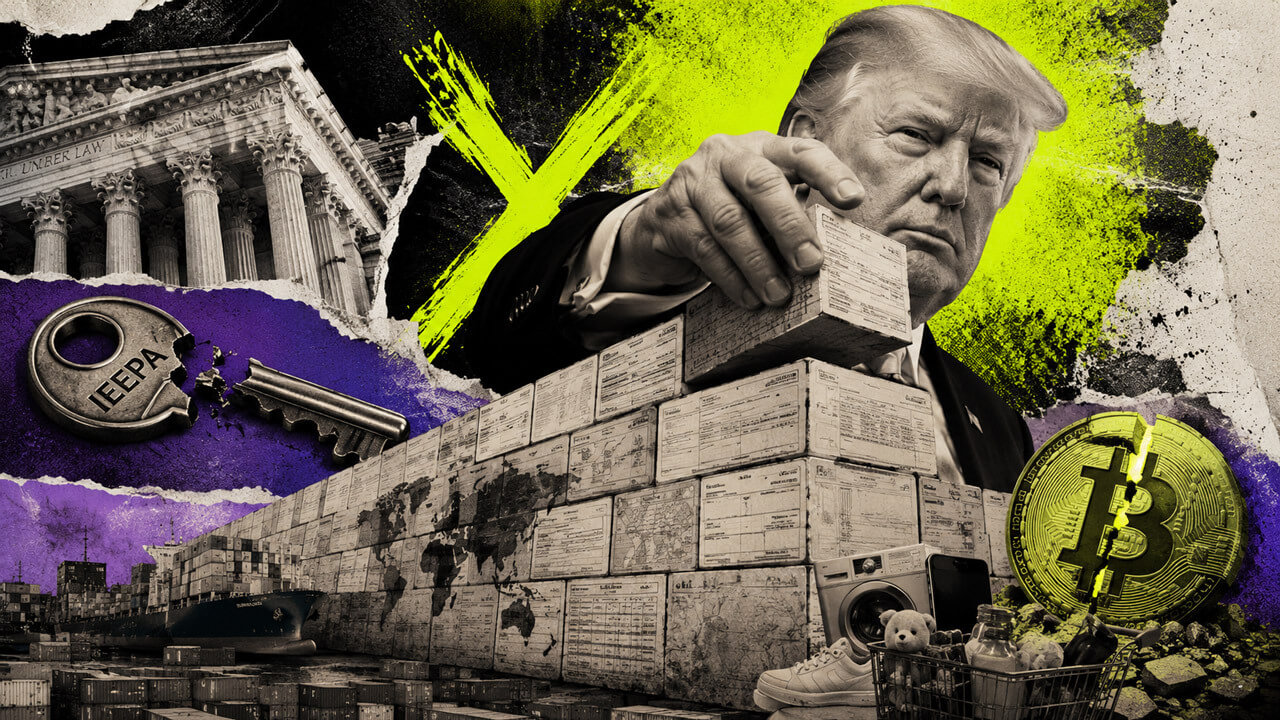
The latest U.S. trade moves tied to Donald Trump are being framed by critics abroad as a continuation of tariff-first policy rather than a retreat from import barriers. Instead of signaling a softer approach to trade, the measures are being described as another round of protectionist action from Washington.
A central complaint from foreign leaders is that the White House is pointing to forced labor concerns to defend tougher trade restrictions. In their view, those allegations are serving as political cover for policies that mainly protect U.S. industries and limit foreign competition.
That dispute adds a sharper edge to an already tense debate over trade, human rights, and industrial policy. If governments believe labor-related arguments are being applied selectively, the result could be deeper mistrust between the United States and its trading partners.
The tariff fight was highlighted as part of a broader international briefing on shifts in power and policy around the world. Within that larger context, the U.S. approach stands out as another sign that economic nationalism remains a major force in global politics and commerce.