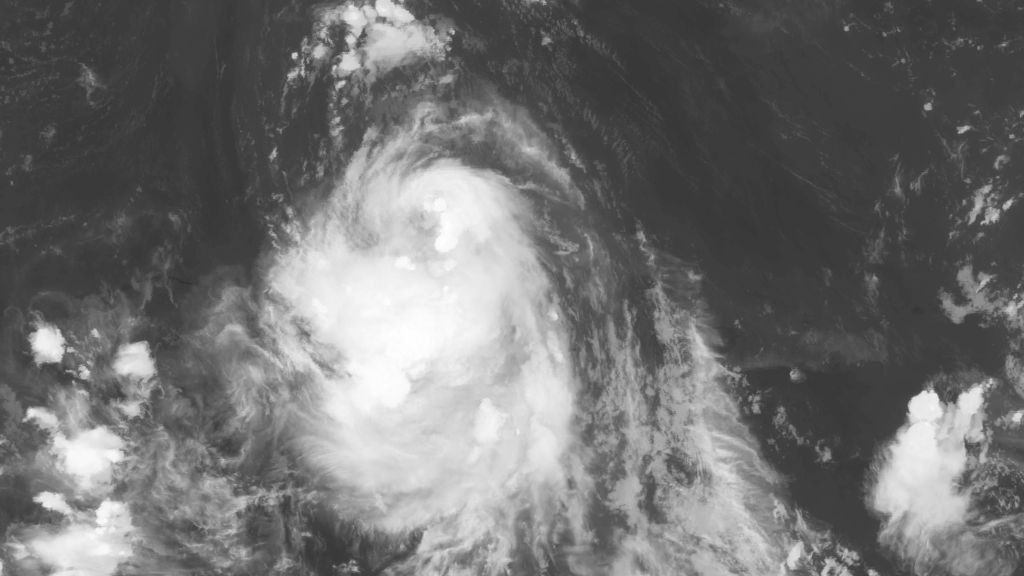
JPMorgan has warned that a potential "super" El Niño could become a fresh inflation problem if it arrives alongside a supply-driven oil shock. The concern is that a major weather event would not hit the global economy in isolation, but at the same time that energy markets are already under pressure from conflict in the Middle East.
That combination matters because higher oil prices can feed through to transport, manufacturing and household costs, while severe weather can add more strain across supply chains. Instead of a single shock that markets may be able to absorb, the bank's warning points to two overlapping disruptions that could push prices higher again.
The inflation risk is especially notable after a period in which policymakers and investors have been watching for signs that price growth is cooling. If crude prices stay elevated and El Niño-related disruption proves severe, the result could be slower economic momentum paired with renewed cost pressures.
In that scenario, inflation would no longer be driven by demand alone, but by a difficult mix of weather-related disruption and tighter energy supply. JPMorgan's message is that the world may be facing more than another climate event; it may be facing a broader economic test where oil and weather reinforce each other.