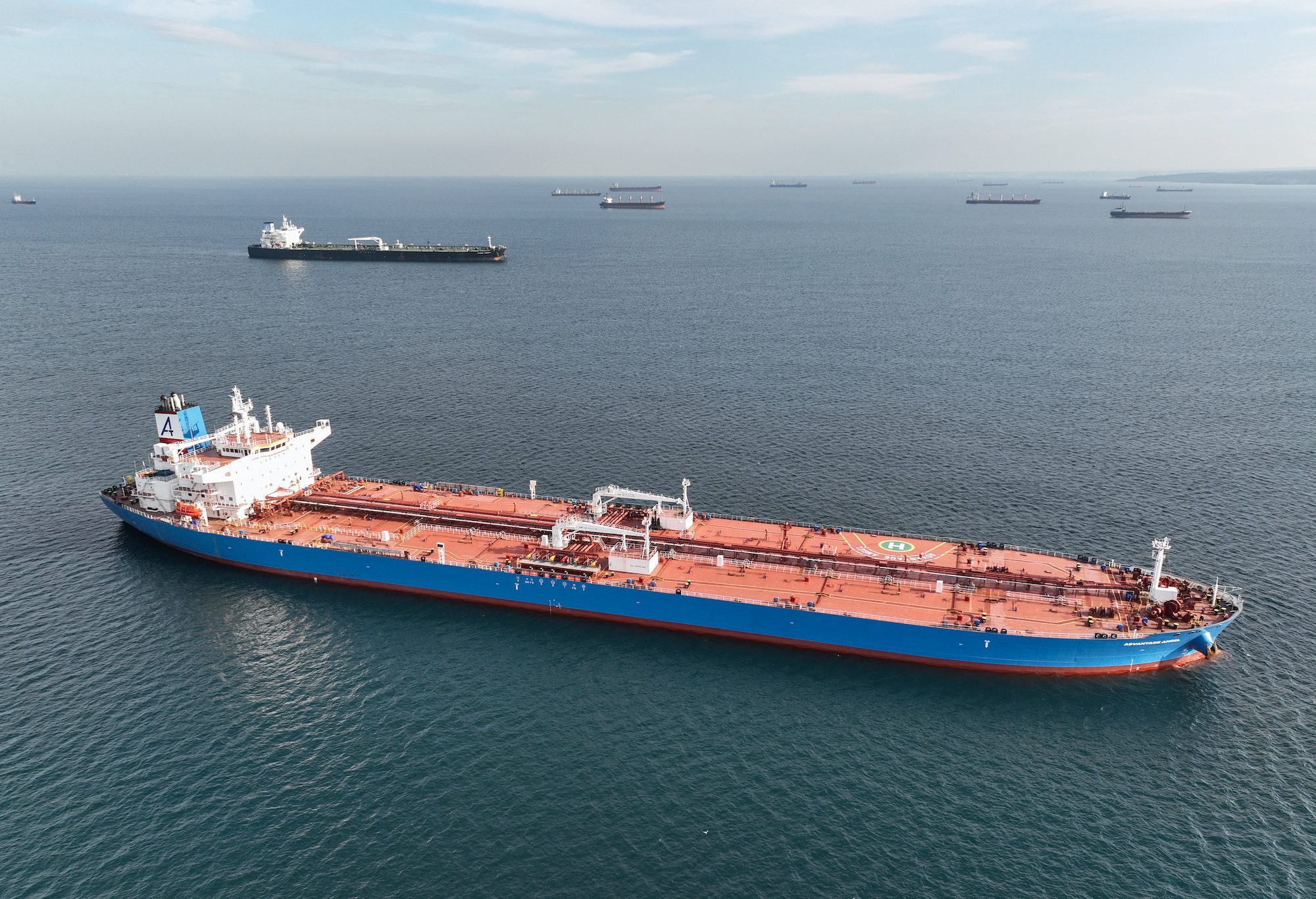
Wheat prices have climbed to their highest level in two years after escalating attacks on shipping and port infrastructure in the Black Sea renewed fears over global grain supplies. The region is one of the world's most important export corridors for wheat and other agricultural goods, so any fresh disruption quickly reverberates through international markets.
The latest jump in grain prices has revived concern about food inflation, especially for countries and consumers that rely heavily on imported wheat. When major export routes face increased risk, traders tend to price in the possibility of shipment delays, tighter supply and higher transport costs.
Grain markets were also influenced by a rally in crude oil, which added broader momentum across commodities. Higher energy prices can feed into the cost of producing, transporting and processing food, reinforcing the inflationary pressure created by supply worries in the Black Sea.
Taken together, the attacks on Black Sea shipping and the rise in oil prices have pushed agricultural markets higher and sharpened concerns about the stability of global food supply chains. With one of the key grain-export regions under renewed threat, wheat remains especially sensitive to further developments.