India and South Africa are preparing to strengthen their strategic petroleum reserves as governments respond to a more fragile global oil market. The move follows a period of heavy reliance on emergency stockpiles after the Iran war disrupted energy flows and rattled crude supplies.
In March, the 32 member countries of the International Energy Agency agreed to a record release of 400 million barrels of oil and refined products from emergency reserves. That step was designed to ease immediate pressure on the market, but it also highlighted how quickly strategic inventories can be reduced when a major geopolitical shock hits.
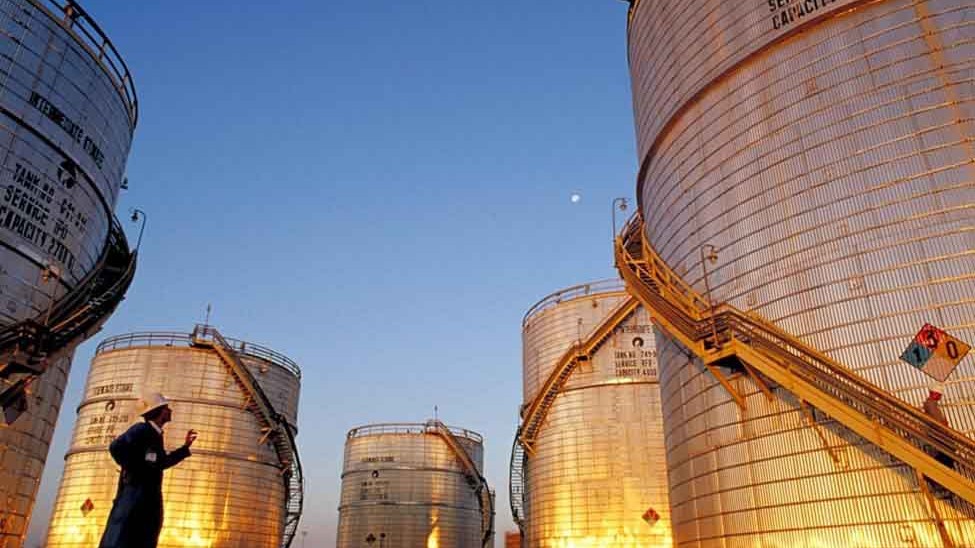
For oil-importing economies such as India and South Africa, expanding strategic reserves can help cushion the impact of supply interruptions, transport bottlenecks and sudden jumps in fuel prices. Larger stockpiles also give policymakers more room to manage future disruptions without being forced into immediate market purchases during volatile periods.
The decision comes amid broader uncertainty in the energy sector. China has drawn heavily on crude reserves, and there is continuing debate over future supply strength and the role of OPEC. Even with signs of possible new output elsewhere, the latest move by India and South Africa shows that energy security remains a central concern.