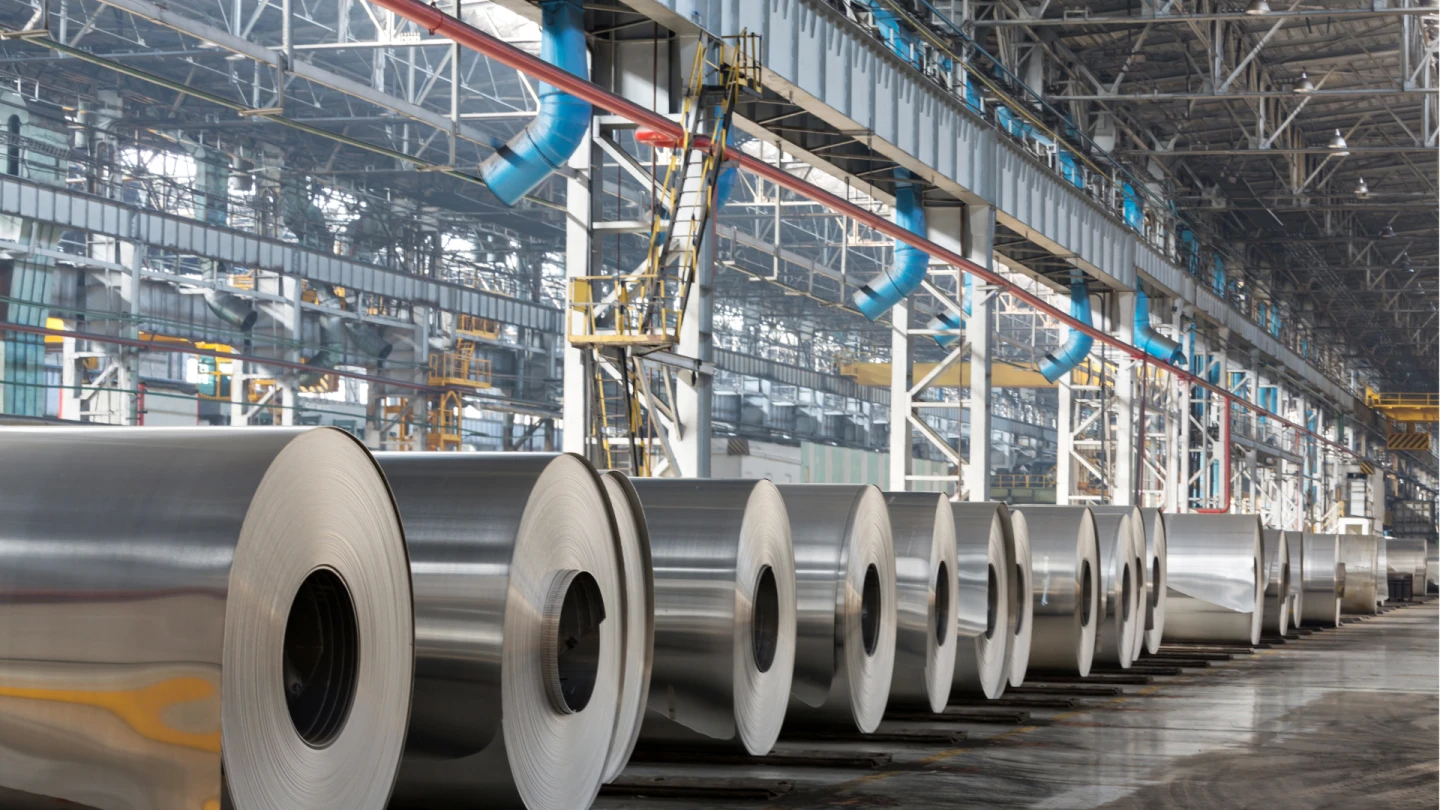
A proposed $4 billion aluminum smelter in Inola, Oklahoma, is drawing attention because it could become the first new primary aluminum plant built in the United States in decades. As the project moves ahead, it is also raising broader questions about how such facilities affect the environment and how regulators weigh those concerns against the promise of jobs and investment.
Environmental research around primary aluminum production typically focuses on the scale of the operation. Smelters are known for heavy electricity use, and studies often examine associated emissions, industrial waste handling and potential effects on air and water. Those issues are central to public debate whenever a large new metals plant is proposed, especially in areas that have not recently hosted this type of industry.
The Oklahoma project is also drawing scrutiny because primary aluminum plants are relatively rare in the U.S. today. Looking at where current facilities operate can help frame what permitting, infrastructure and environmental oversight may be needed for a modern smelter. That includes questions about how a plant would secure enough power, meet environmental standards and address concerns from nearby communities.
Supporters of the Inola proposal see it as a major economic development opportunity, while critics and researchers are focused on the long-term environmental footprint. The discussion reflects a larger national debate over domestic manufacturing, supply chains and whether major industrial projects can expand while meeting modern environmental expectations.