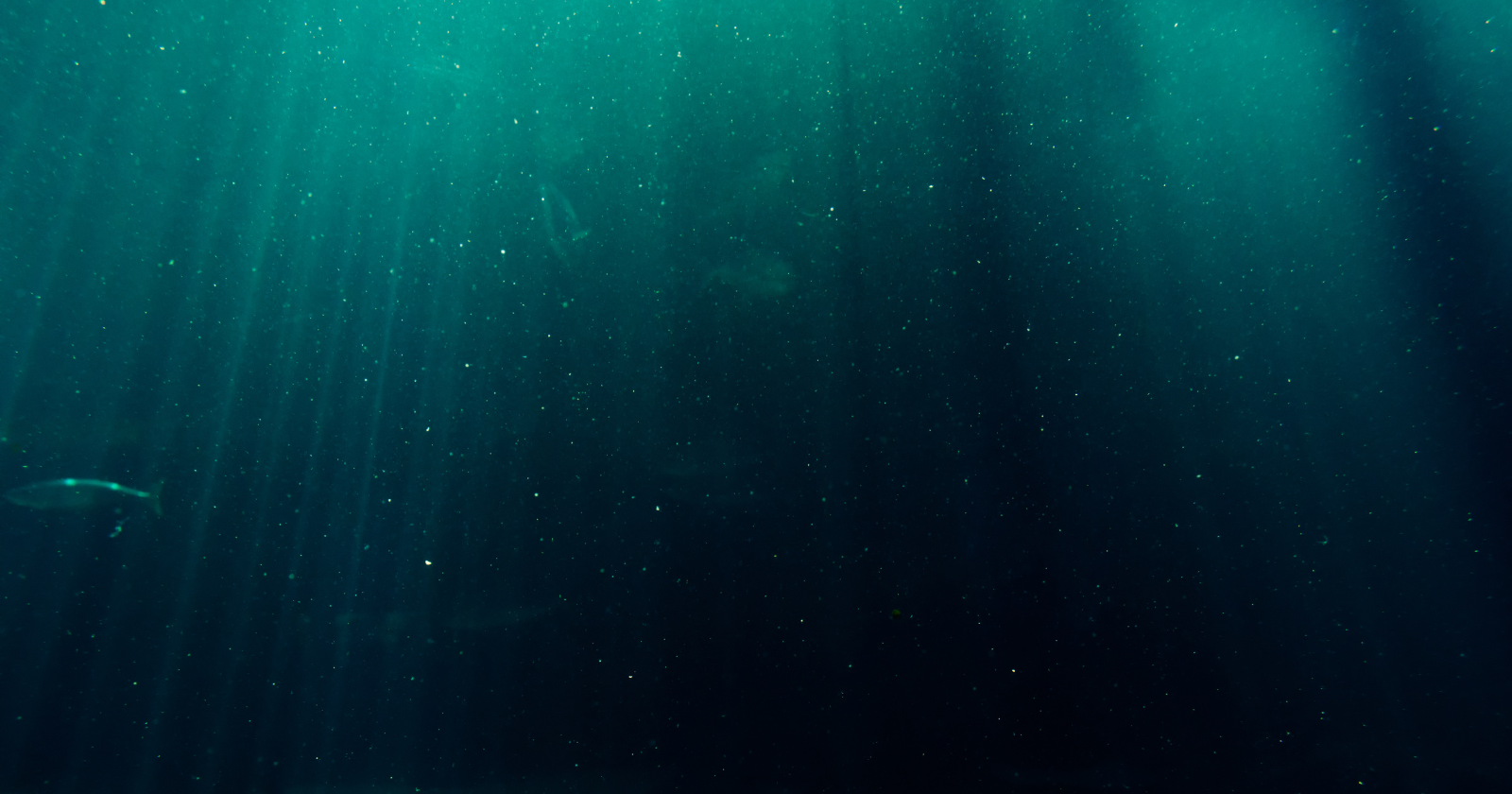
In late April 2019, explorer Victor Vescovo piloted the DSV Limiting Factor alone to the floor of the Challenger Deep, the deepest known part of the ocean in the Mariana Trench. The descent was described as the deepest solo dive ever made by a human, reaching nearly 11 kilometres below the surface.
The mission stood out not only for its technical difficulty, but also for what Vescovo said he observed at the bottom. According to the report, he saw what appeared to be a plastic bag on the seafloor, a troubling sign in a place often viewed as one of the most remote environments on Earth.
The dive used a two-person titanium submersible designed for extreme depths, highlighting the engineering needed to reach the ocean's lowest point. Vescovo made the descent alone, underscoring the scale of the achievement and the risks involved in such a journey.
At the same time, the mention of possible plastic waste gave the expedition a wider environmental meaning. A record-setting trip to the deepest part of the planet also became a stark reminder that human impact may extend even to the bottom of the sea.