Researchers are studying an unusual case in the United States involving a woman who appears unable to feel fear because of a rare neurological condition. The disorder damaged a brain region closely linked to fear, giving scientists a rare chance to observe what happens when that emotional response is largely absent.
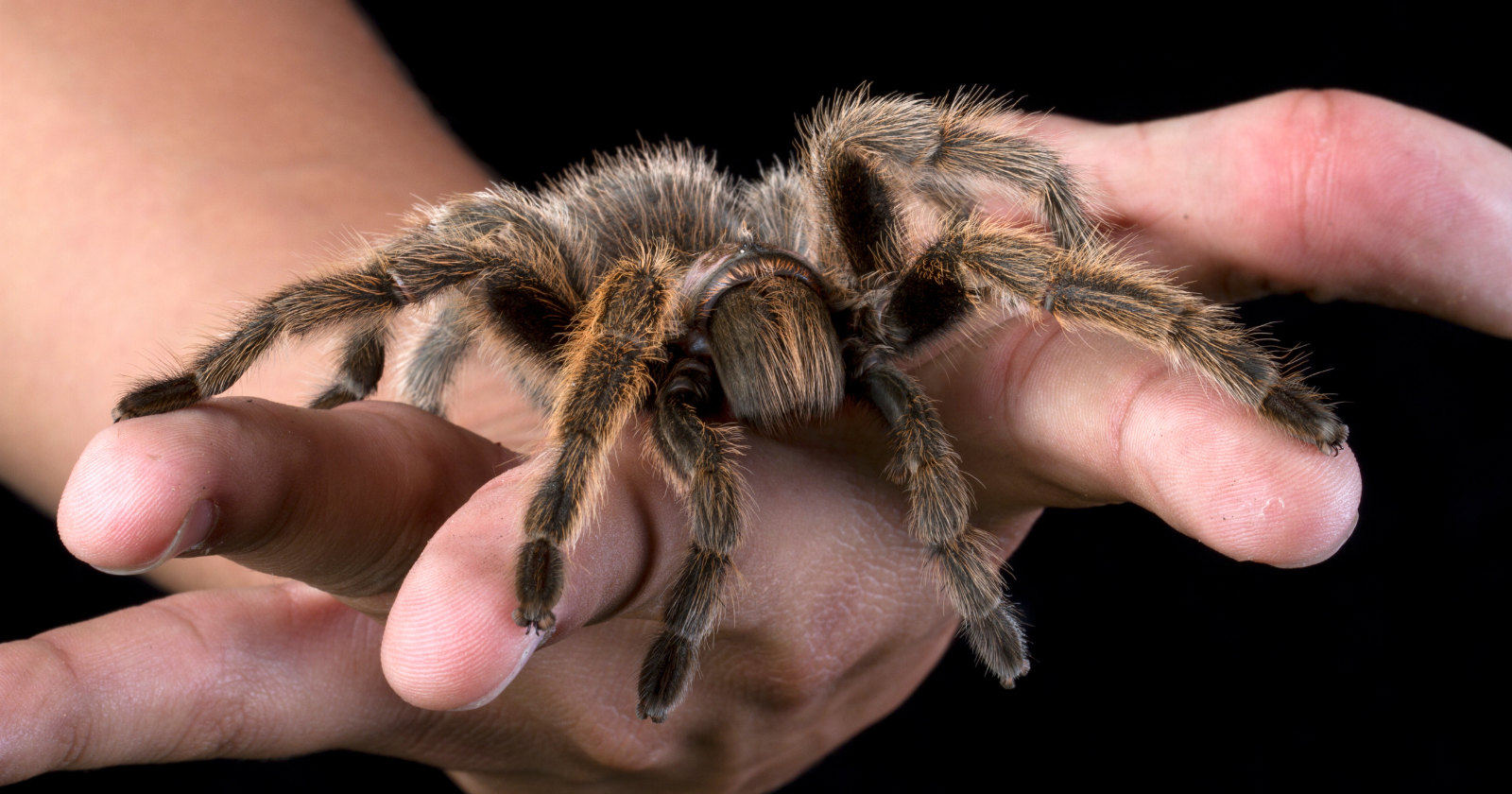
The case has drawn attention because of how she behaved in situations that normally trigger intense alarm. In an exotic pet shop in Iowa, she reportedly moved toward a tarantula so readily that researchers had to stop her. During a visit to a haunted attraction, she also failed to react in the way most people would expect, showing little sign of the fear those settings are designed to provoke.
For scientists, the importance of the case goes beyond its shock value. It offers evidence that fear depends on specific brain systems and that when those systems are severely damaged, a person may not experience danger in the usual emotional way. That makes the woman’s behavior less about thrill-seeking and more about a profound change in how her brain processes threat.
The findings are also prompting a broader discussion about courage. If fear can disappear because of brain damage, researchers say bravery may need to be understood differently: not simply as acting despite fear, but as something distinct from the basic ability to feel fear in the first place.