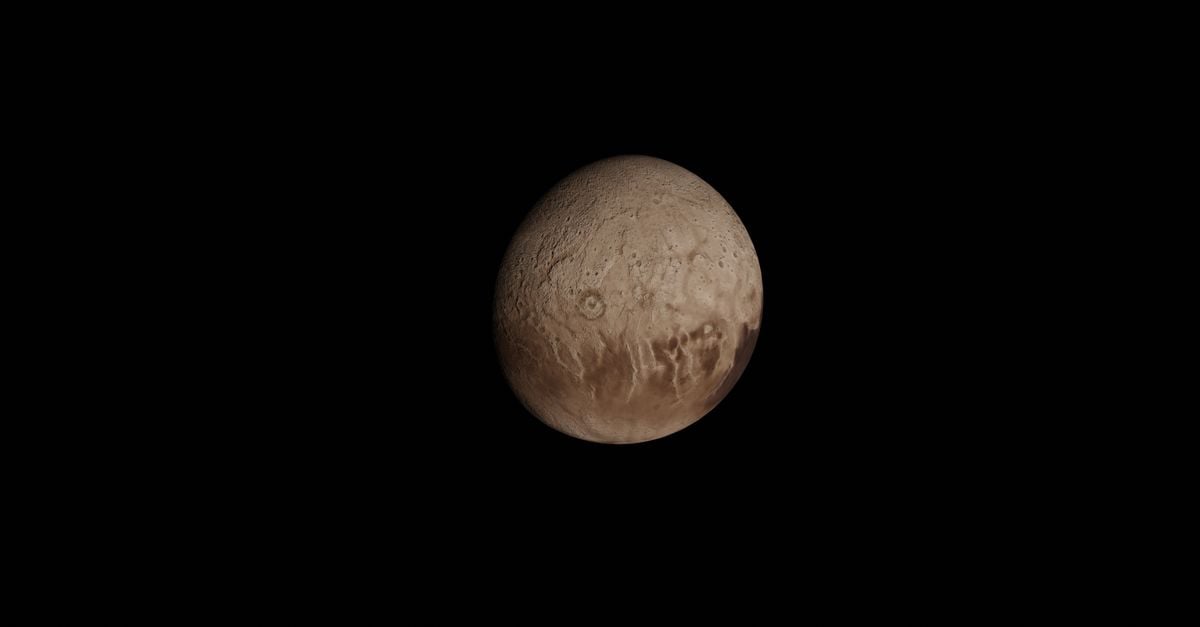
For decades, Pluto was expected to be a frozen and heavily cratered leftover from the early solar system. From Earth, and even in blurry Hubble images, it appeared as little more than a distant smudge. That picture changed dramatically when NASA's New Horizons spacecraft flew past Pluto in 2015.
Instead of a static world, the mission revealed a surprisingly active landscape. Scientists saw signs of flowing nitrogen glaciers and towering mountains made of water ice, features that suggested Pluto was not simply an inert ball of rock and frozen gas. Those discoveries reshaped ideas about what small, faraway worlds can be like.
The findings were even more striking because Pluto lies about four billion miles from the Sun, where sunlight is so weak that the Sun would look more like a bright star than the dominant disk seen from Earth. In such deep cold, researchers had not expected so much geological variety or evidence that the surface may have changed over time.
New Horizons also pointed to the possibility that Pluto could harbor a hidden ocean beneath its icy exterior. While much remains uncertain, the flyby showed that this distant dwarf planet is far more complex than scientists once believed, turning Pluto from a blurry relic into one of the most surprising worlds explored in the solar system.