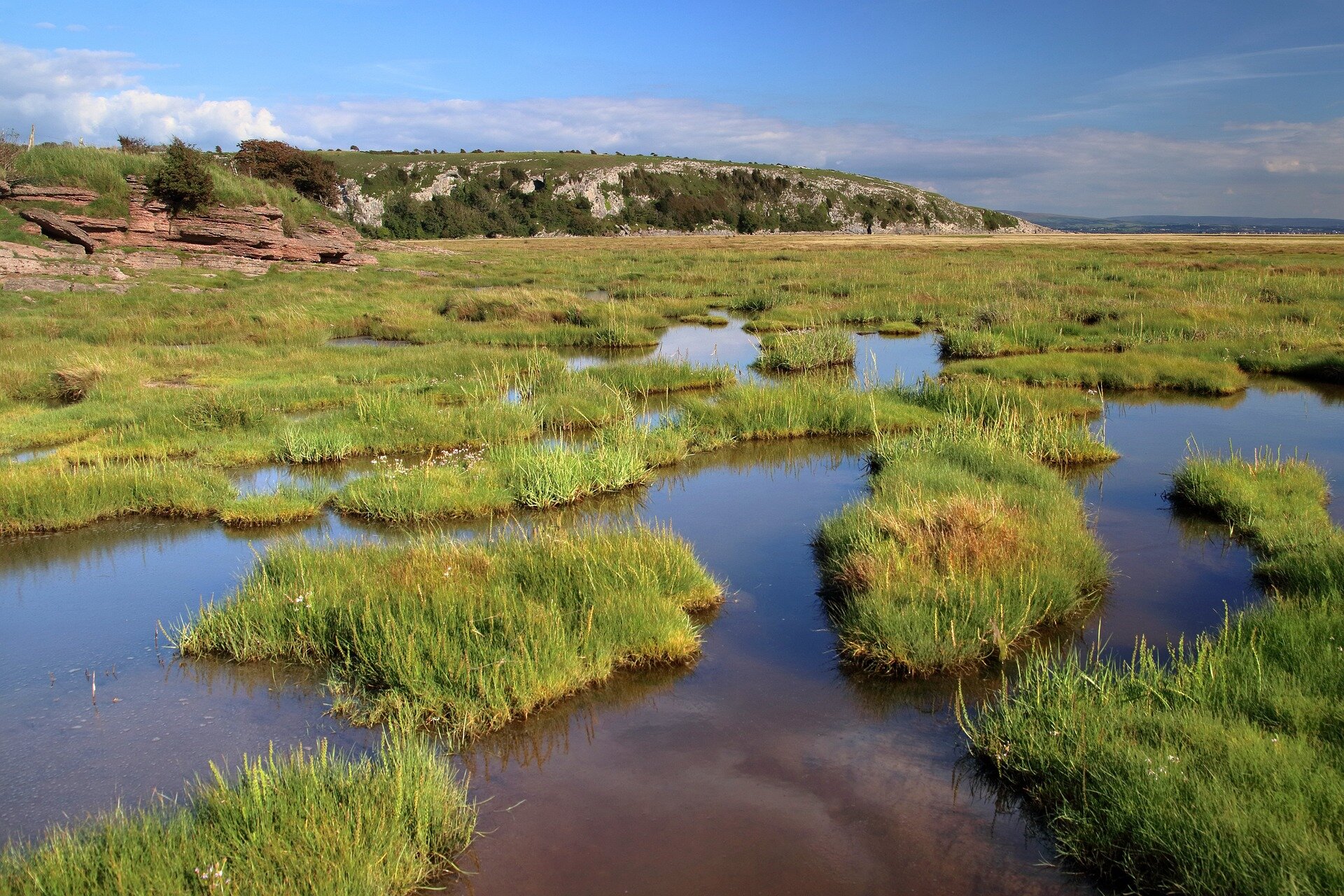
A growing body of research suggests many coastal wetlands in the contiguous United States are losing a critical race against rising seas. Along the nation’s three coasts, sea levels are increasing faster than at any point in recent geologic history, while wetlands are trying to stay above water by building upward through accumulated sediment.
That natural process can help marshes and other wetlands maintain their elevation, but the margin appears to be shrinking. The report highlighted by Phys.org says many of these landscapes are now on track to be inundated, with some areas shifting from vegetated wetland to open water if sea-level rise continues to outpace sediment buildup.
The findings point to a broad pattern rather than an isolated local problem. Across the U.S. coastline, wetlands face the same basic challenge: they must gain height quickly enough to match the pace of encroaching water. Where that balance fails, the result is a steady transformation of the shoreline.
The study underscores how climate change is reshaping coastal environments in ways that can be gradual but far-reaching. What may look like a slow-moving process is, in scientific terms, happening at an unusually rapid rate, leaving many U.S. coastal wetlands with less time to adapt before open water takes their place.