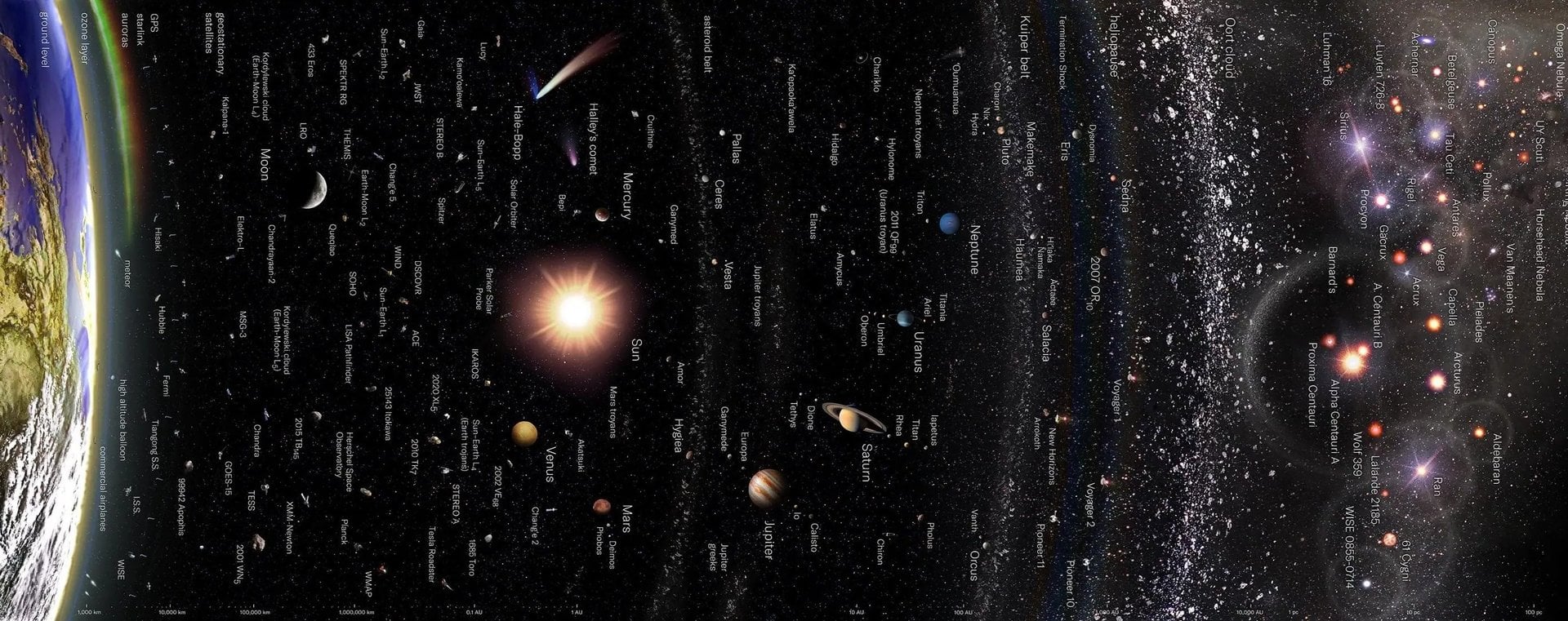
Fusion drives have long been part of serious discussions about interstellar travel. A new look at the subject traces how, during the Space Age and the Cold War, scientists and engineers explored fusion-powered spacecraft as a possible way to cross the vast distances between stars far faster than conventional rockets could manage.
The basic attraction was clear: interstellar space is so immense that chemical propulsion makes human-timescale missions unrealistic. Fusion, in theory, could deliver far more energy, giving spacecraft the speed needed to make another star system reachable within a human lifetime. That promise made fusion one of the most important early ideas in long-range starship planning.
Many of the concepts developed in that era remained on the drawing board because the required technology was, and still is, extremely demanding. Any workable fusion drive would need reliable control of fusion reactions, spacecraft systems able to handle enormous energy, and engineering solutions for long-duration deep-space travel. Those challenges kept the ideas largely theoretical even as interest in interstellar missions continued.
Even so, the article argues that these older fusion-drive proposals have not been left behind. Many are still considered relevant today, especially as fusion research and advanced spacecraft engineering continue to develop. In that sense, the early Space Age vision of fusion-powered interstellar travel remains a foundation for modern thinking about how humanity might one day travel to the stars.



![The US wins the right to say it's spent 'virtually all' of its long-range precision missiles during all the glorious Iranian war victories. So much victorying [Obvious]](https://img.fark.net/images/2013/site/farkLogo2Big.gif)