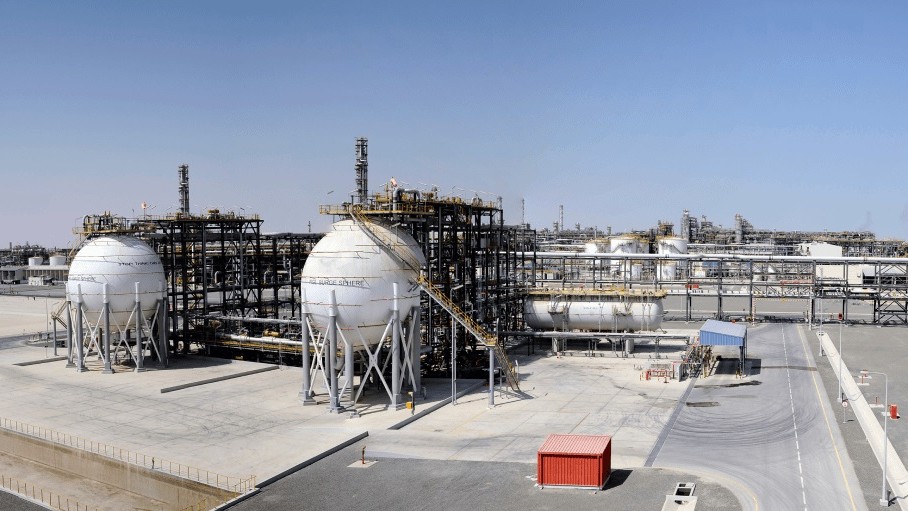
The effective closure of the Strait of Hormuz is reshaping the global trade in liquefied petroleum gas, adding a new layer of stress to energy supply chains. Much of the attention has focused on crude oil and natural gas, but the disruption is also hitting LPG flows that depend on the Middle East’s most important shipping corridor.
As attacks on vessels continue, the market impact is spreading beyond the Gulf. Companies that rely on steady LPG shipments now face delays, tighter availability and rising uncertainty over how cargoes can move between producers and buyers. The result is a broader supply chain problem rather than a short-lived shipping issue.
Asia appears to be under the greatest pressure from the Hormuz crisis, reflecting how exposed the region is to interrupted LPG trade from the Middle East. Import-dependent buyers are likely to feel the effects first as supplies become harder to secure and trade patterns start to shift.
Europe is also confronting a difficult outlook as winter approaches. While new gas pipelines are reducing pressure in parts of the wider gas market, that relief does not erase the risks created by a prolonged disruption in Hormuz. If the situation continues, the global LPG trade could emerge from this crisis with different routes, different pricing dynamics and a new balance between regions.