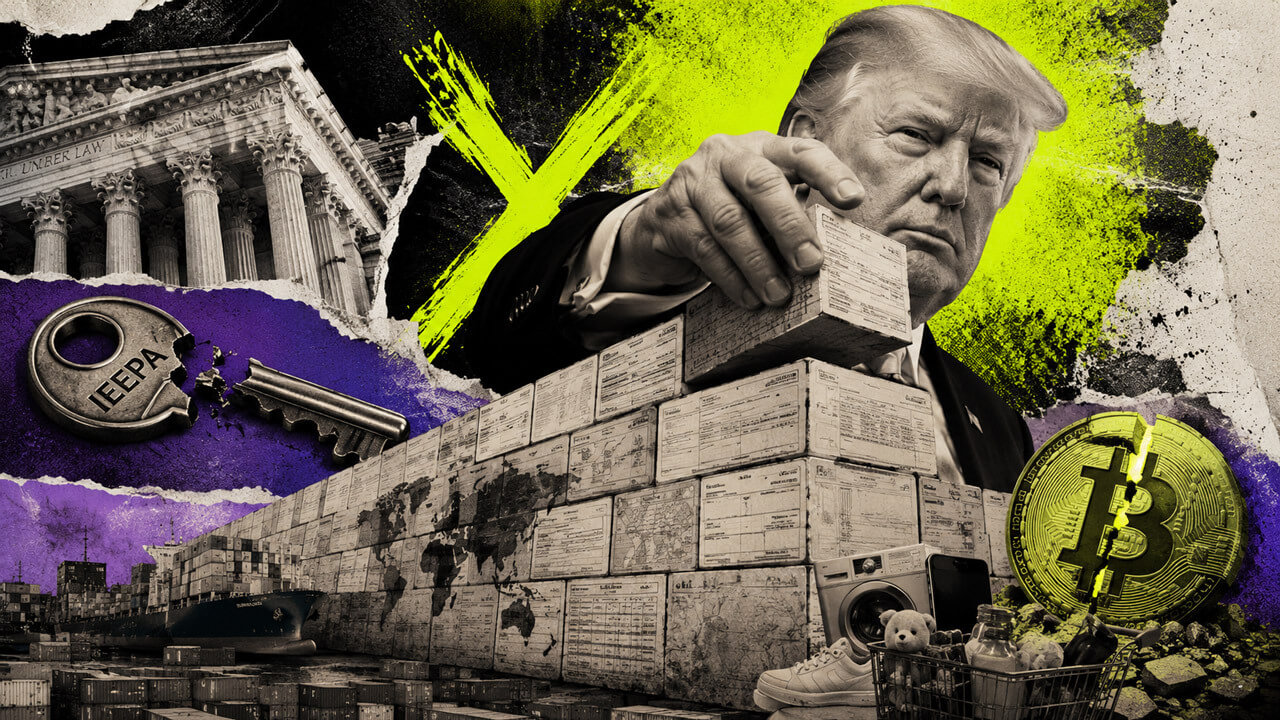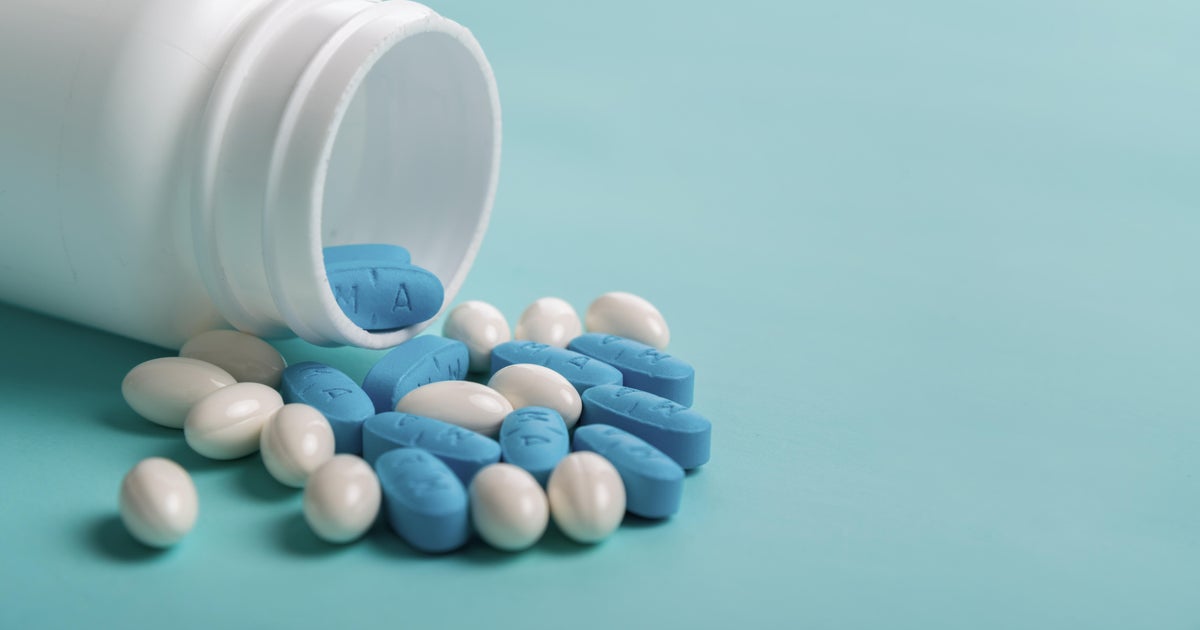
President Trump has outlined a plan to impose tariffs of up to 100% on imported generic drugs beginning in 2028, framing the move as a way to encourage pharmaceutical manufacturers to bring production back to the United States. The proposal would target a major part of the medicine market, where lower-cost generic products play a central role in everyday care.
Health policy experts say the idea could have wide effects on patients, pharmacies and the broader drug supply chain. Because generics are designed to keep treatment affordable, steep import duties could increase costs rather than lower them, especially if companies pass higher expenses through to buyers.
Specialists also warn that tariffs alone may not solve the underlying manufacturing issue. Building or expanding domestic drug production can take years, and there is no guarantee companies would move operations to the U.S. simply because imported products become more expensive. In the meantime, tighter supply conditions could put additional strain on availability.
The debate highlights a broader tension in health policy: balancing supply security with affordability. Supporters may see tariffs as a tool to strengthen domestic manufacturing, but critics argue the plan could disrupt access to essential medicines without ensuring a stable transition to U.S.-based production.