Canada is reassessing its trade strategy as renewed tariff threats from US President Donald Trump put pressure on a relationship that has long been central to the Canadian economy. With the two countries sharing the world’s longest land border, cross-border commerce has historically been a major source of stability for Canadian businesses.
That picture is becoming less certain as Washington’s trade stance hardens. The latest round of tariff rhetoric has raised concerns about higher costs, weaker access to the US market and broader disruption for Canadian exporters that depend on predictable rules.
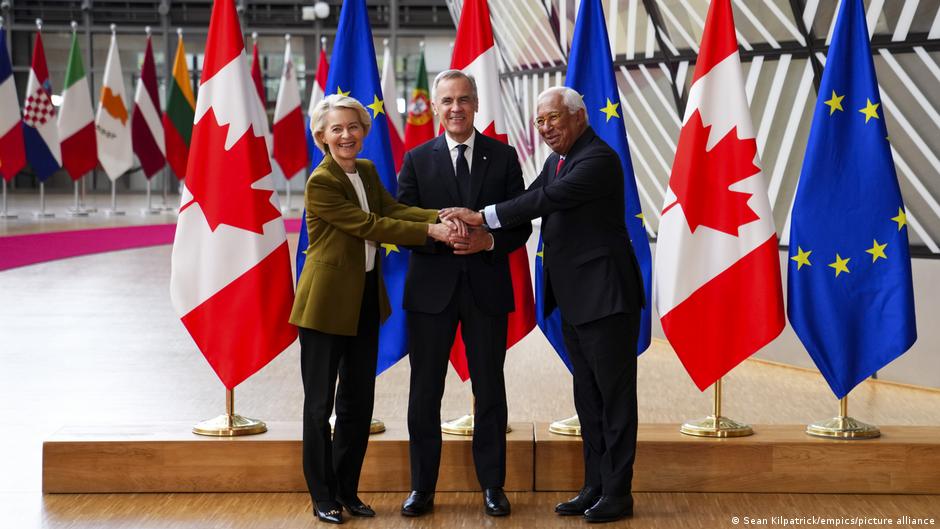
In response, attention is shifting toward deeper commercial ties with the European Union and other international partners. Expanding trade beyond the United States could help Canada reduce its exposure to sudden policy changes while opening new opportunities for companies looking to reach different markets.
The broader question is whether this moment will accelerate a lasting move toward diversification. For Canada, closer links with Europe are not just a short-term reaction to tariff risk, but part of a wider effort to build a more resilient trade network in an increasingly volatile global economy.