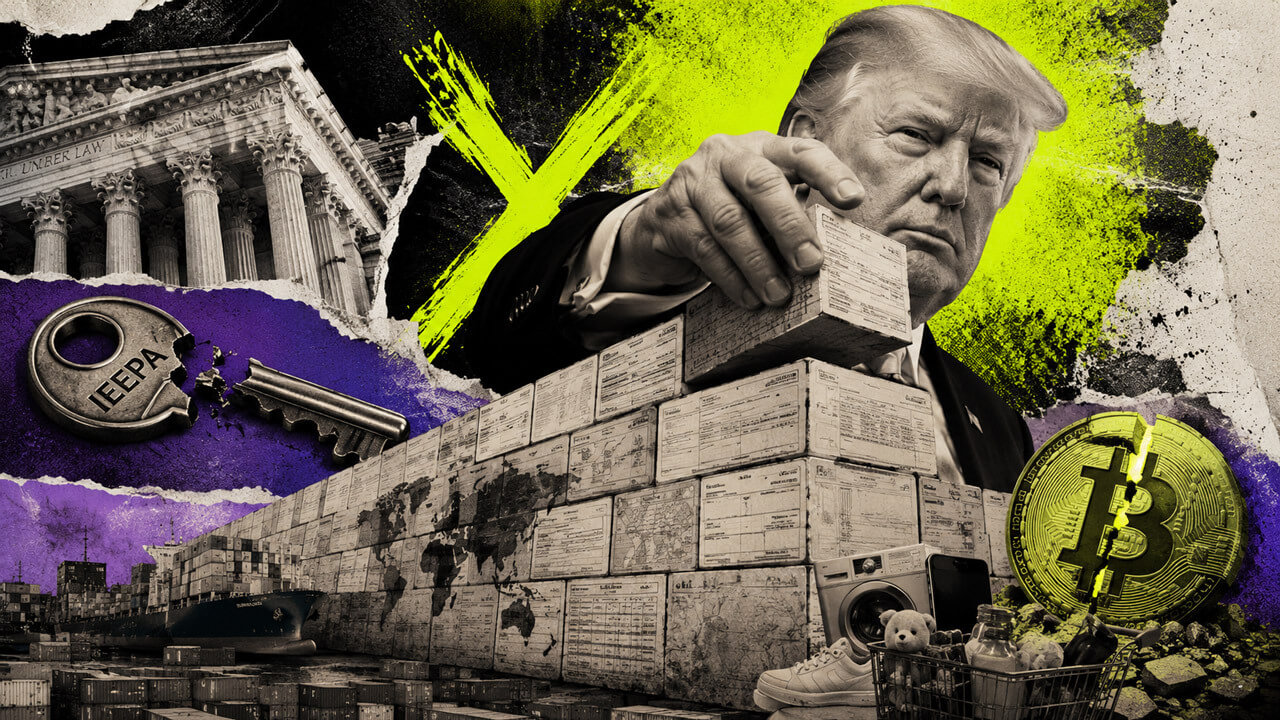
The new Trump "Forced Labor" tariffs are prompting resistance from governments abroad, as officials question both the reasoning behind the measures and their broader impact on trade. The response described so far suggests that several countries see the import duties as a confrontational step rather than a cooperative solution.
China has publicly pushed back against the policy. Its Foreign Ministry repeated its opposition to unilateral tariffs and argued that tariff disputes and wider trade conflicts do not benefit any side. That response places Beijing among the clearest critics of the new duties and signals that the policy is likely to add strain to already tense trade relationships.
More broadly, the international reaction reflects concern over the use of tariffs tied to forced-labor claims as a trade tool. Officials appear to be challenging the justification for the measures, while warning that such actions can trigger retaliation, disrupt supply chains, and make diplomatic resolution more difficult.
The early backlash shows that Trump "Forced Labor" tariffs are being viewed not only as an import policy change but also as a test of how far major economies are willing to push trade pressure. With China already rejecting unilateral tariff action, the dispute looks set to remain part of a larger debate over trade, enforcement, and global economic stability.