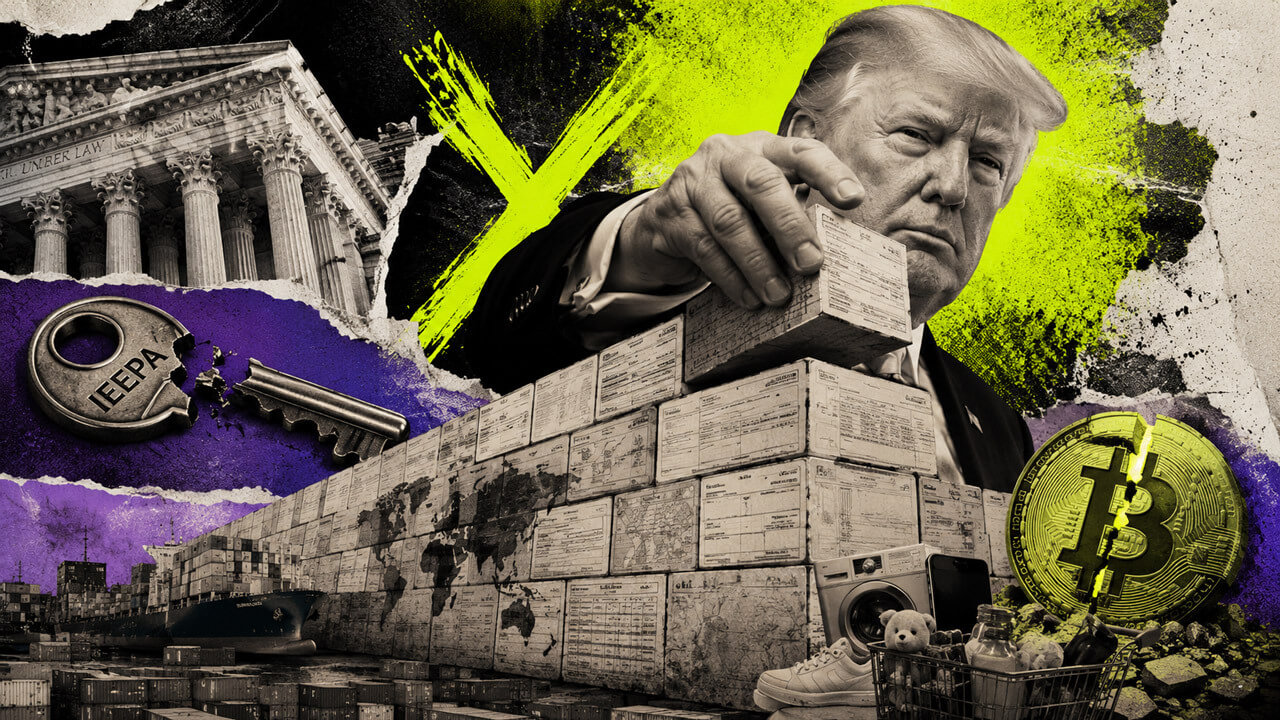
Footwear companies are confronting another round of tariff pressure after temporary taxes tied to Section 122 expired on July 24. Following that deadline, the Trump administration moved to impose new duties, adding fresh cost uncertainty for brands, importers and suppliers tied to the shoe business.
The latest developments have prompted close attention across the industry, especially among companies that rely on overseas production. According to the description, Footwear Distributors and Retailers of America official Matt Priest has been advising members that tariff rates are likely to return to mainly 20 percent in some form for most of the countries where footwear is produced.
That outlook suggests the issue may not stop with the current changes. The headline indicates more tariffs could still be coming, which would deepen concerns about sourcing costs and pricing pressure across the footwear market. For companies already managing complex supply chains, another shift in trade policy could affect planning, margins and inventory decisions.
For now, the key takeaway for footwear firms is that the tariff environment remains unsettled. With Section 122 measures now expired and replacement duties taking effect, the industry is preparing for higher trade costs and the possibility of additional action in the near term.