Analysts say Donald Trump's new 12.5% tariffs on China are more likely to irritate Beijing than spark a direct retaliatory response. The move adds fresh pressure to the US-China trade relationship as Washington rebuilds a more protectionist stance.
The new duties are said to match previously proposed levels linked to concerns that China has not done enough to address forced labor issues. That framing makes the tariffs part of a broader policy argument rather than a sudden escalation far beyond what had already been signaled.
China has long opposed unilateral US tariffs, but so far it has not announced any specific countermeasures in response to this latest step. That has led some observers to conclude that Beijing may choose caution, at least in the near term, rather than answer immediately with its own penalties.
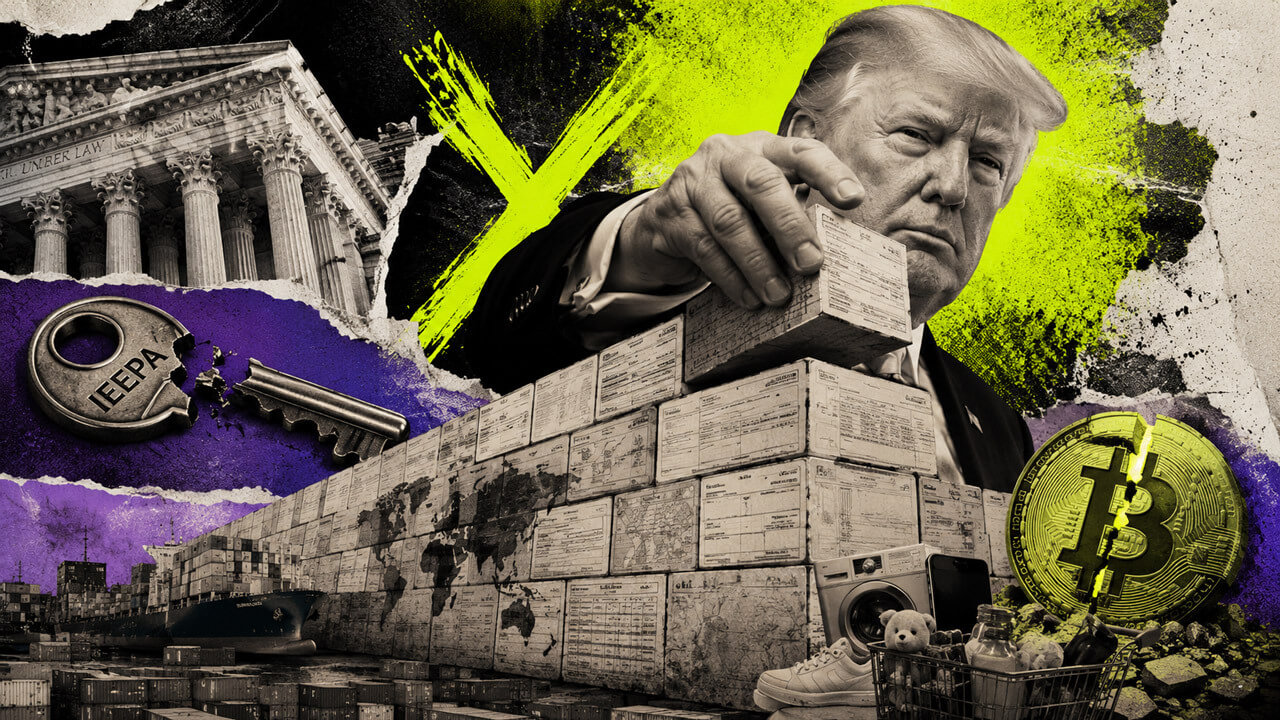
The policy shift also comes as Trump restores elements of his trade wall after the Supreme Court struck down his earlier tariff approach, according to the report snippet. Even without an instant Chinese response, the new 12.5% China tariffs are likely to keep trade tensions in focus and add another layer of uncertainty for businesses watching US-China policy.