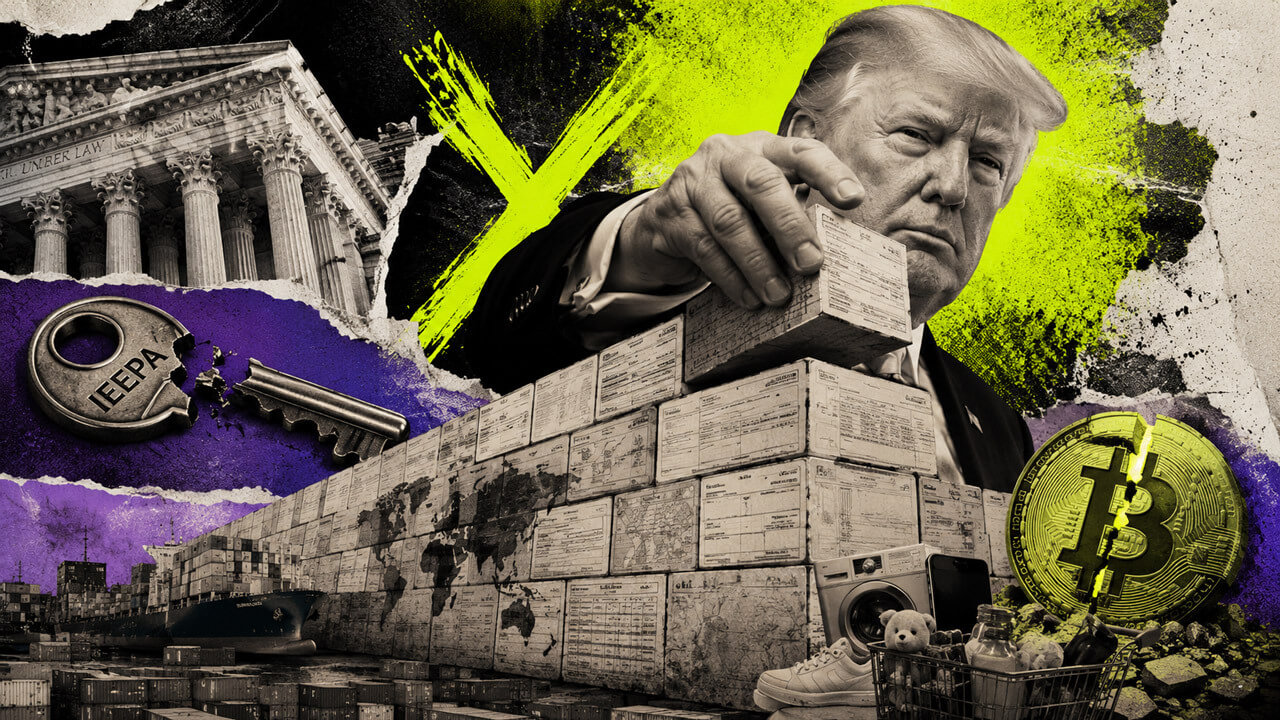
President Donald Trump’s latest round of U.S. tariffs has drawn a sharp backlash from several trading partners, with the measures tied to allegations of foreign forced labor. The response highlights how trade policy linked to labor concerns can quickly spill into broader diplomatic and commercial tensions.
According to the reported reactions, China and Japan were among the countries objecting to the new tariffs. Their pushback suggests concern not only about the immediate cost of the measures, but also about the way Washington is using tariff policy in disputes involving supply chains and labor standards.
Australia also criticized the move, with its trade minister condemning the tariffs as unjustified. That response adds another close U.S. partner to the list of governments unhappy with the latest action, showing that opposition is not limited to strategic rivals.
The dispute underscores the difficult balance between enforcing trade restrictions tied to alleged forced labor and managing relationships with major economic partners. With objections now coming from multiple countries, the new U.S. tariffs risk adding fresh strain to already sensitive global trade ties.