A meteorite that crashed into a home in Hillsborough, New Jersey, in 2024 is offering scientists an unusual look at chemistry from beyond Earth. Researchers say the recovered space rock contains amino acids and other compounds associated with prebiotic processes, adding to evidence that some of the ingredients tied to life can form or survive in space.
The analysis also points to ancient interaction with salty water on the meteorite’s original parent body. That finding is important because it suggests the rock preserved signs of a wetter chemical environment long before it fell through Earth’s atmosphere and broke on impact.
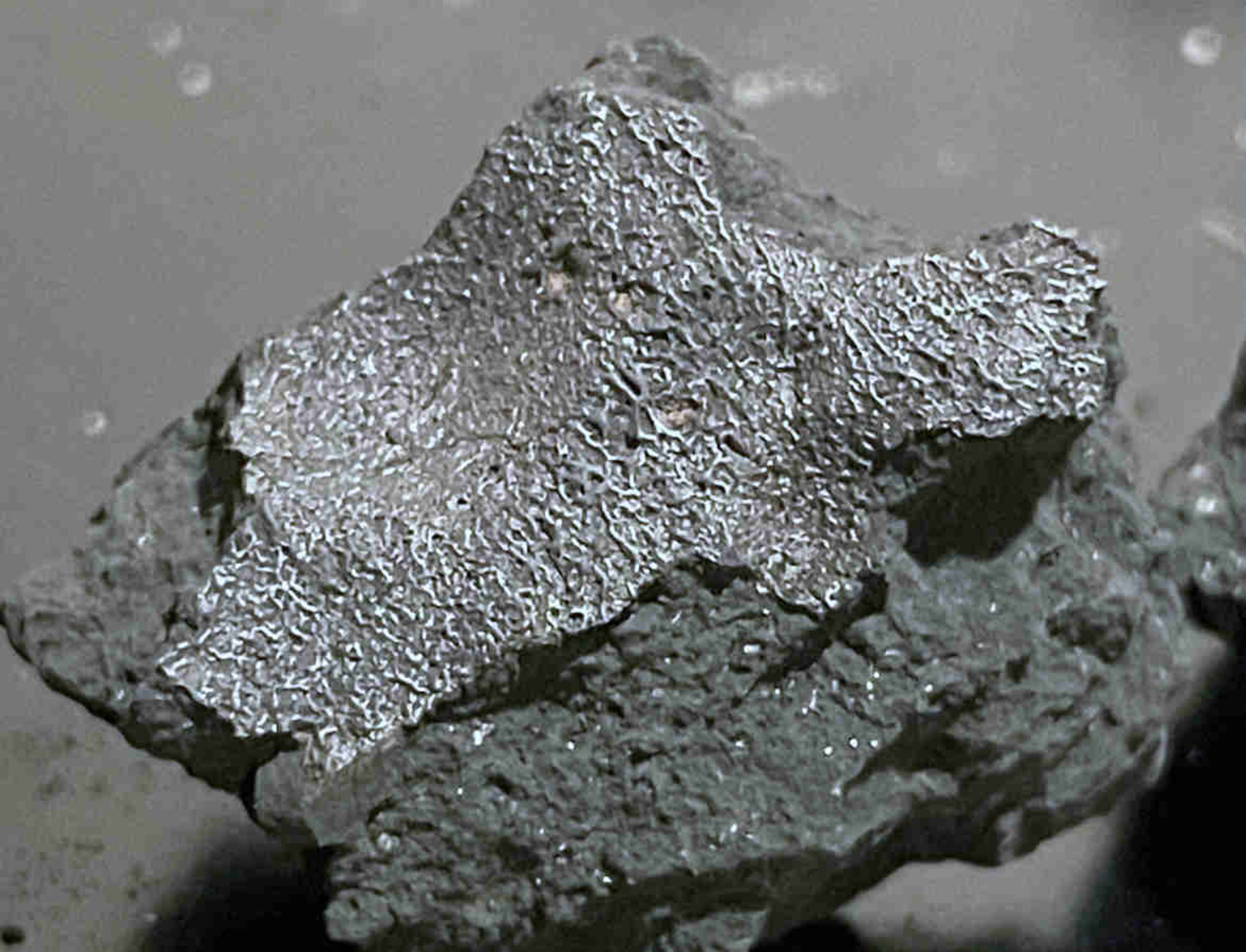
Scientists say the sample includes chemical signatures described as not previously confirmed in this kind of meteorite research. Combined with its fusion crust from atmospheric entry and the circumstances of its recovery after striking a New Jersey home, the specimen gives researchers a rare chance to study relatively fresh material soon after landing.
Taken together, the results highlight why meteorites remain valuable records of early solar system history. In this case, the New Jersey meteorite appears to connect extraterrestrial chemistry, ancient saltwater activity and molecules linked to life’s beginnings in a single space rock.