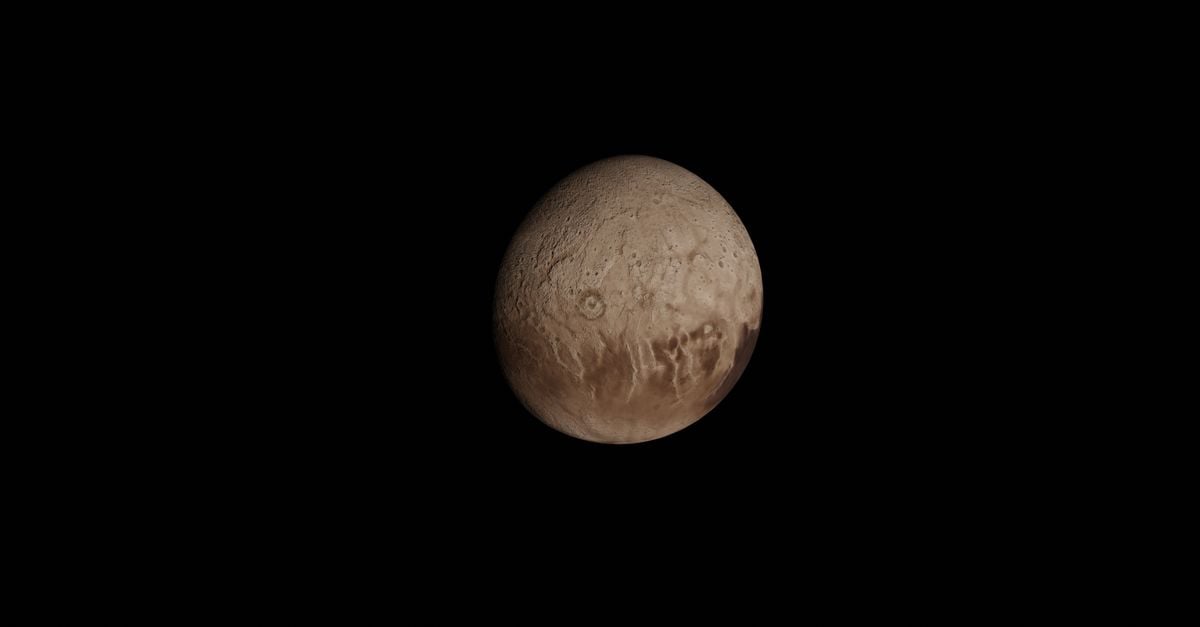
A large piece of a SpaceX Falcon 9 rocket is expected to strike the Moon on Wednesday, creating a fresh crater on the lunar surface. The unusual event has drawn attention because accidental impacts of space hardware on the Moon are relatively rare and can offer a visible reminder of how human-made objects continue traveling long after launch missions end.
According to the available details, the rocket stage is set to hit at roughly seven times the speed of sound. A collision at that speed is expected to blast material outward, carving a new mark into the Moon and sending up dust and rocky debris from the surface.
The impact is expected to take place on the side of the Moon that faces Earth. That means astronomers may have a chance to watch for the aftermath, including a short-lived cloud of dust and fragments that could remain visible for several minutes through sensitive telescopes.
While the event is not described as a threat to Earth, it is a notable moment for lunar observation. Scientists and skywatchers will be watching closely to see how clearly the impact plume can be detected and what the new crater may reveal about the Moon’s surface response to a high-speed strike.