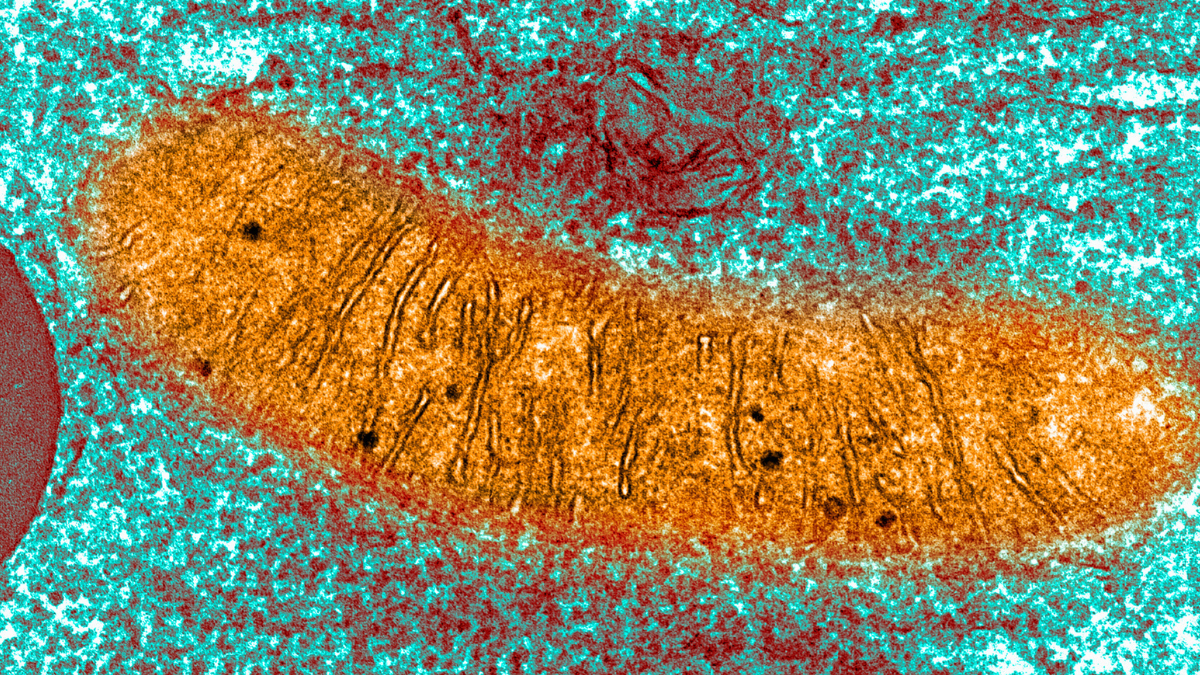
Researchers have reported an abnormal new structure in the brains of both humans and mice with Alzheimer's disease, adding a fresh clue to how the condition affects the brain. The finding stands out because it appears in human tissue as well as in an animal model, suggesting the change may be closely linked to the disease process.
Alzheimer's disease is the most common form of dementia and already affects about 57 million people worldwide, according to the report. That global burden is expected to rise sharply, with projections climbing above 150 million by 2050, underscoring why scientists are searching for better ways to understand the disease.
A newly detected Alzheimer's brain structure could help researchers map what is happening inside the brain as the illness progresses. Because the same abnormal feature was seen in mice and humans, the discovery may give scientists a more useful target for studying how the disease develops and how its effects might be tracked in future experiments.
While the report does not change the fact that Alzheimer's remains incurable, it highlights how basic brain research can uncover patterns that were previously missed. Findings like this may deepen scientific understanding of dementia and help shape the next wave of Alzheimer's disease research.