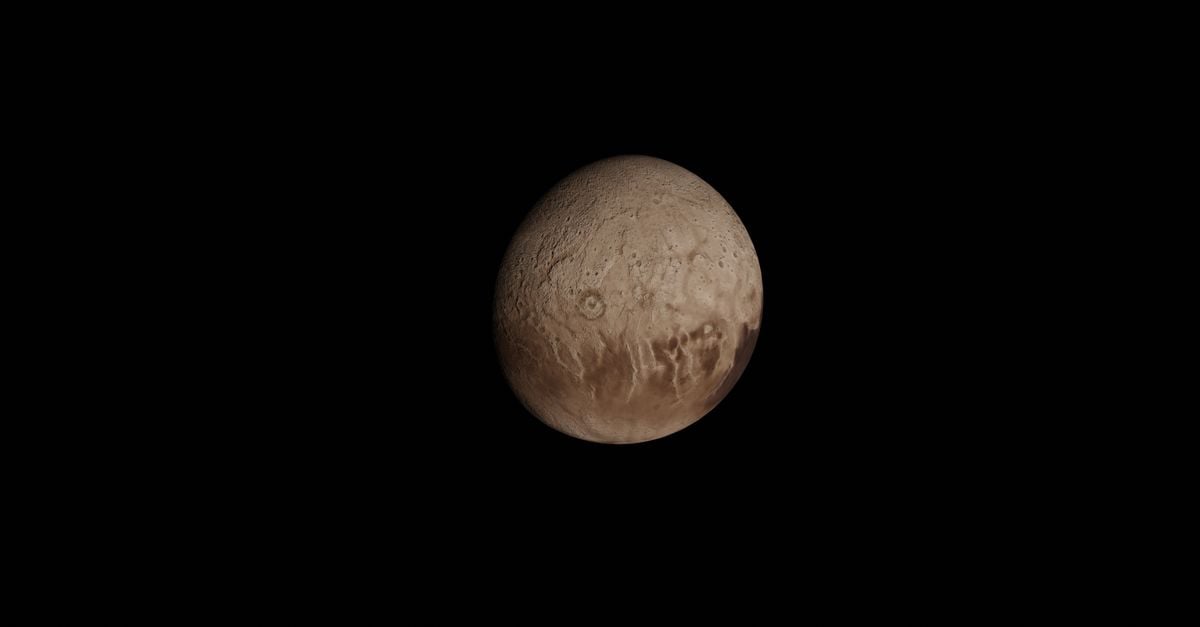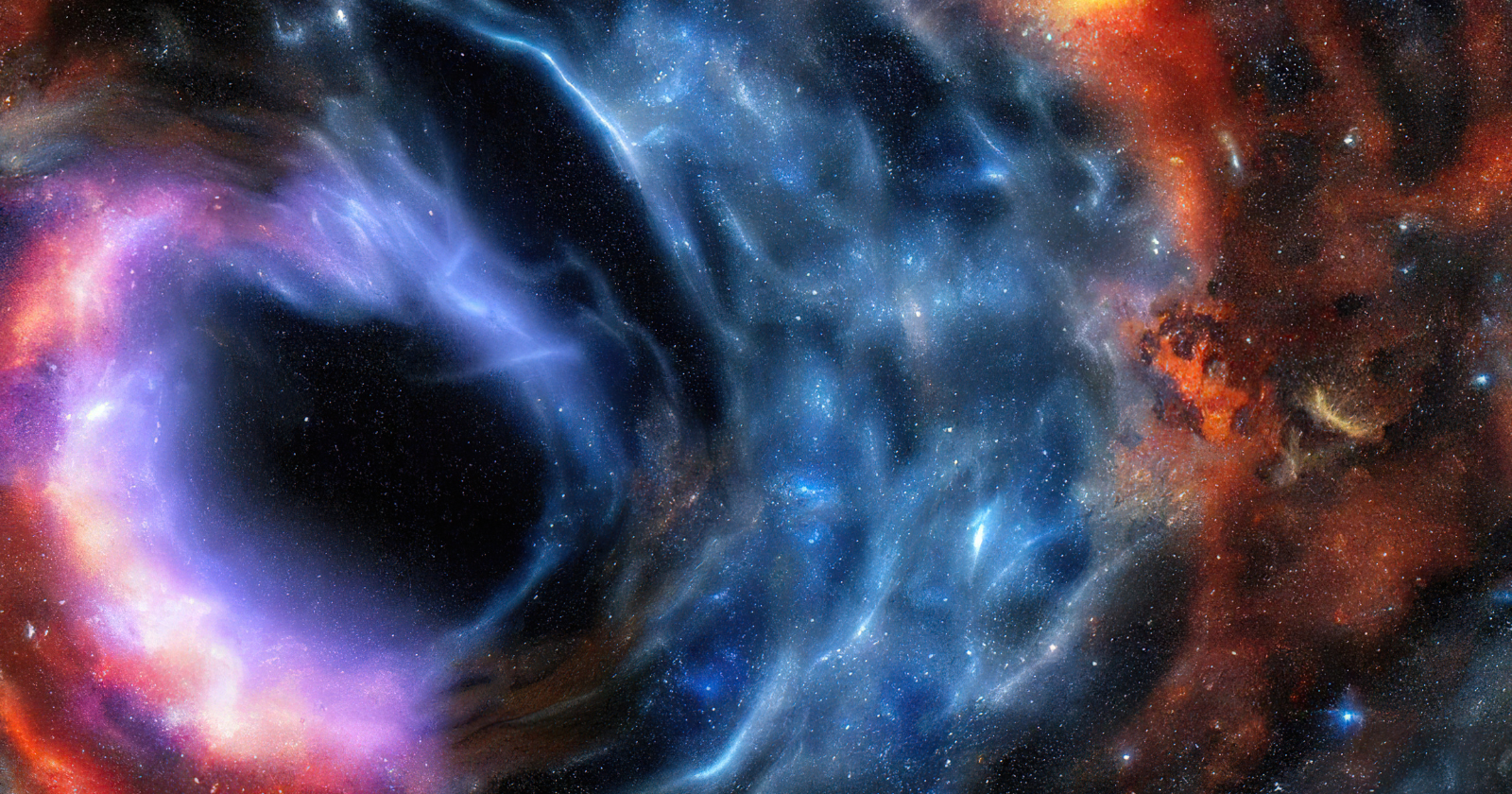
Astronomers are again drawing attention to the Boötes Void, an enormous region of space that appears startlingly empty compared with what researchers would normally expect to find. The area is described as roughly 300 million light-years across, yet instead of containing around 2,000 galaxies, it holds only a few dozen. That makes it one of the most striking examples of a cosmic void ever identified.
What makes the discovery especially memorable is how it first emerged. According to the report, the finding in 1981 did not come from a dramatic telescope image but from survey data that showed up as an unexpected gap on a bar chart. A team of four astronomers realized they were looking at something far larger than a routine fluctuation in galaxy counts.
Scientists already know the universe is not evenly filled with galaxies. Matter is arranged in a vast large-scale structure, with crowded regions, filaments and emptier zones. Even so, the Boötes Void stands out because of its size and the extreme shortage of galaxies inside it, making it difficult to picture and harder to neatly fit into simple ideas about how cosmic structure forms.
The renewed interest in the Boötes Void highlights a broader question in astronomy: how well current models explain the biggest patterns in the universe. Massive empty regions are part of the cosmic story, but a void this large and sparse continues to provoke debate about what scientists understand—and what they may still be missing—about the universe’s architecture.