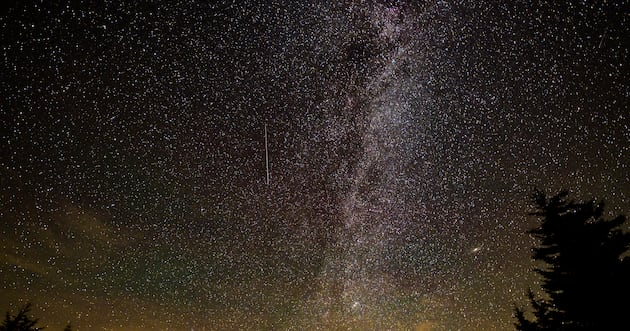
Summer meteor showers are returning to skies across the Northern Hemisphere, giving skywatchers an early look at one of the season’s most anticipated celestial events. Among them, the Perseid meteor shower begins July 17 and is expected to draw the most attention as activity builds.
The Perseids are especially popular because they often produce bright, fast-moving meteors and can be easier to spot than many other annual showers. This year, viewing conditions around the peak are expected to get a boost from a well-timed new moon, which means darker skies and less interference from moonlight.
For the best chance to see a summer meteor shower, observers generally need clear weather, a dark location away from city lights, and patience. Meteor activity can often be easier to notice late at night or before dawn, when the sky is darkest and more meteors may become visible.
A meteor is the streak of light seen when a small piece of space debris burns up in Earth’s atmosphere. If part of that object survives the trip and reaches the ground, it is called a meteorite. While that can happen, most meteors seen during showers burn up before ever reaching Earth’s surface.