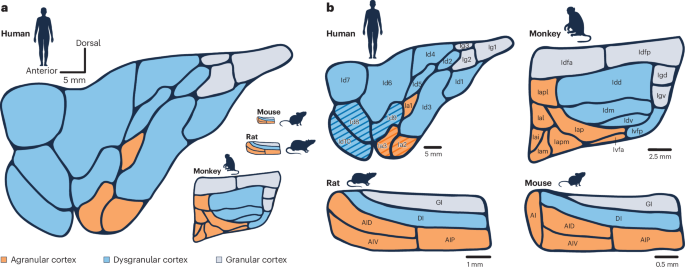
Charbonneau and colleagues examine how the insula is organized and operates across humans, monkeys and rodents. The comparison highlights both common features and meaningful differences in this brain region among the three groups.
The study’s cross-species approach is relevant to neuroscience research that uses animals to investigate human brain function. Similarities can help researchers identify biological patterns shared across species, while structural or functional differences may affect how confidently findings can be applied to people.
By bringing anatomy and function into the same comparison, the work offers context for interpreting research on the insula, including studies linking the region with motivation, emotion and control. Its central message is that species selection and biological differences matter when translating experimental results into human understanding.