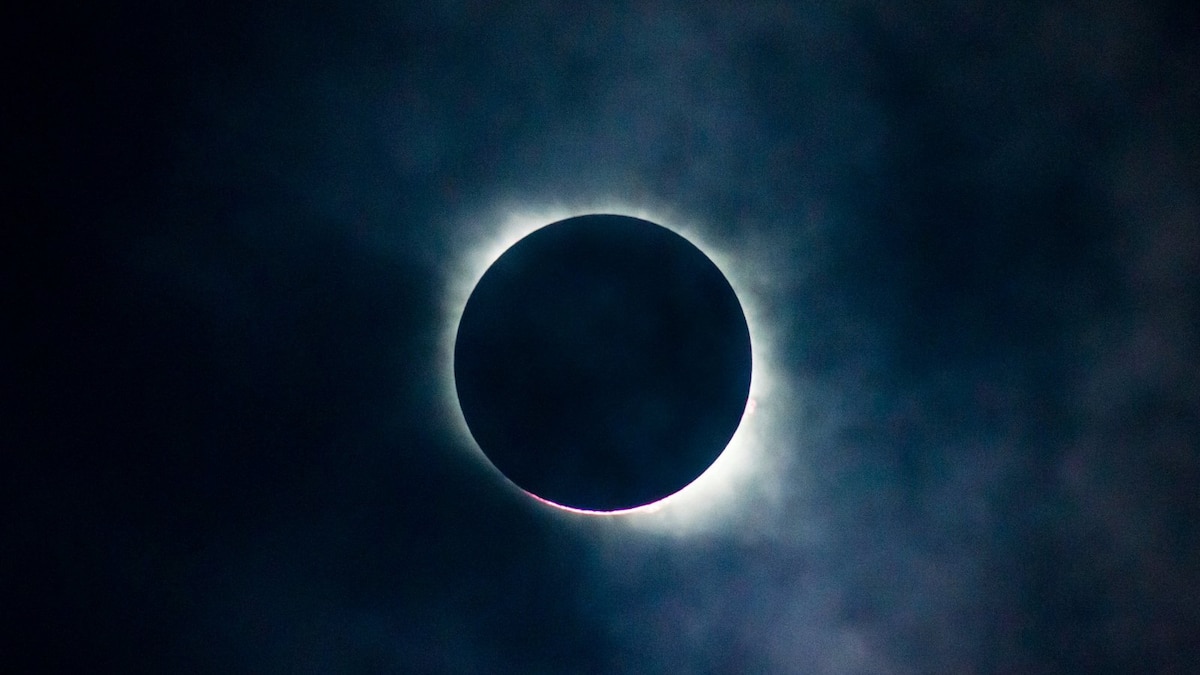
A spectacular solar eclipse is set for August 12, offering viewers the chance to watch the moon pass across the sun. Visibility will vary by location, with some areas seeing a more complete eclipse and others experiencing only a partial view.
The event occurs because the moon can move into a position that blocks the sun from Earth. Its apparent size can closely match the sun’s, creating the striking effect of the lunar disk covering much or all of the solar surface.
Observers should prepare for changing views depending on where they are located and how much of the sun is covered. Even a partial eclipse can be visually impressive, but the remaining sunlight is still bright enough to cause serious eye damage when viewed directly.
Proper solar viewing protection is essential throughout the event. Regular sunglasses are not sufficient; viewers need equipment specifically designed for safely observing an eclipse, along with careful attention to approved viewing guidance.