Artificial intelligence tools are starting to play a new role in research: checking the scientific record for mistakes that have gone unnoticed for years. According to the report, AI systems are proving especially useful at reviewing older papers and reference databases that scientists have trusted for decades.
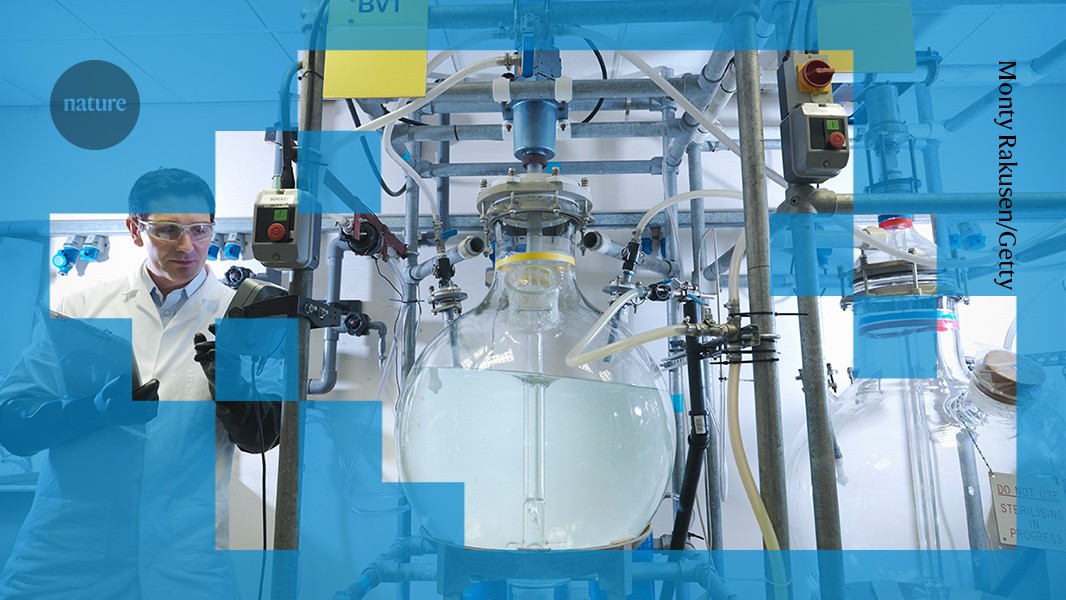
One example involves chemistry data. An AI fact-checking system identified errors in recorded boiling points for molecules listed in a reference database. That matters because chemists often depend on handbook values and database entries as basic inputs for experiments, calculations and further study.
The development points to a broader use for AI in science beyond writing or summarizing papers. In this case, the technology is being used to compare published values, flag inconsistencies and help researchers revisit accepted information that may contain long-standing faults.
If these tools continue to perform well, they could become an important part of quality control in scientific publishing and reference works. Rather than replacing researchers, AI agents appear to be offering a faster way to audit the literature and surface potential errors that might otherwise remain buried in the record.