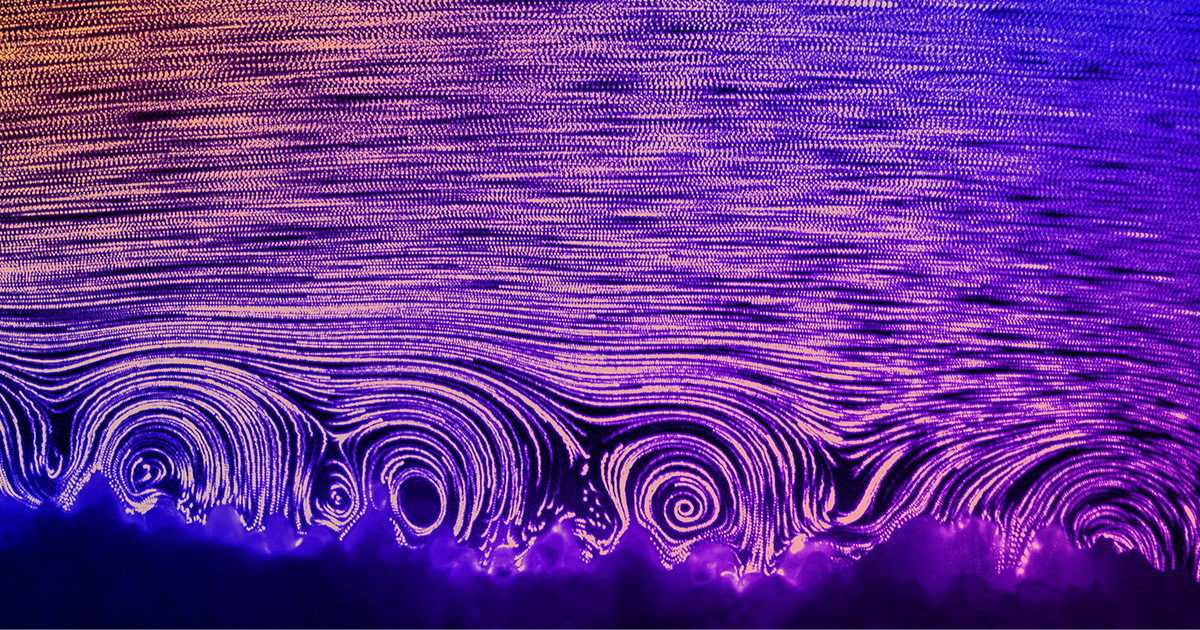
New research is shedding light on how corals use a subtle feature of their physiology to obtain oxygen. The work focuses on cilia, tiny hair-like structures found on each coral polyp, and the fluid movements they create.
Researchers found that the cilia are organized into hexagonal units. This arrangement keeps their motion coordinated and streamlined, helping the structures work together to generate consistent microscopic vortices around the polyps.
Those swirling flows may help corals access oxygen, while the findings also point to a potential weakness under climate change. Excessive heat can interfere with the cilia-driven process, offering biologists another way to understand how warming conditions may affect coral survival.