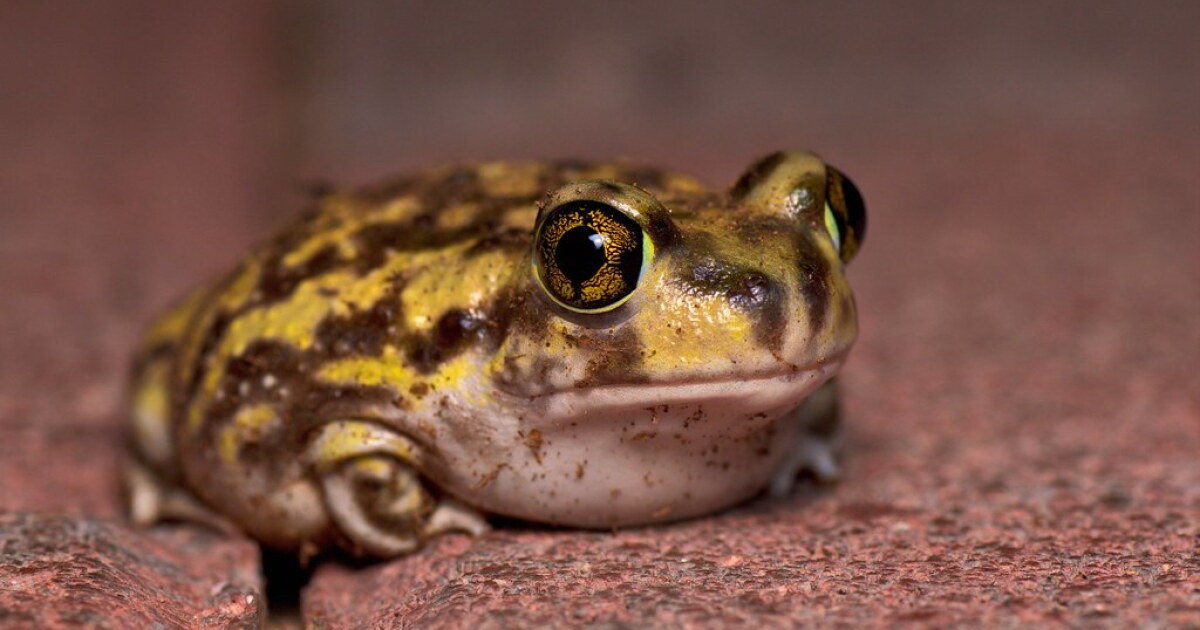
Researchers have identified a new Ice Age spadefoot species in Los Angeles, a find that is giving scientists a fresh way to study the region’s distant past. The species, called Spea labreae, shows that this amphibian lived in the area more than 1 million years ago.
The discovery matters because it helps answer a bigger question: what did Los Angeles look like during the Ice Age? By confirming the presence of this spadefoot in ancient Southern California, researchers can better piece together the environmental conditions that shaped the region long before modern Los Angeles existed.
Scientists say the fossil evidence can also improve understanding of how climate shifts transformed local landscapes over time. Ice Age species such as Spea labreae act as markers of earlier ecosystems, helping researchers trace how changing temperatures and habitats affected life in the area.
Beyond naming a new species, the Los Angeles find adds another clue to the long history of climate change in the region. It shows how even a small amphibian discovery can help explain large-scale environmental change across Southern California’s past.