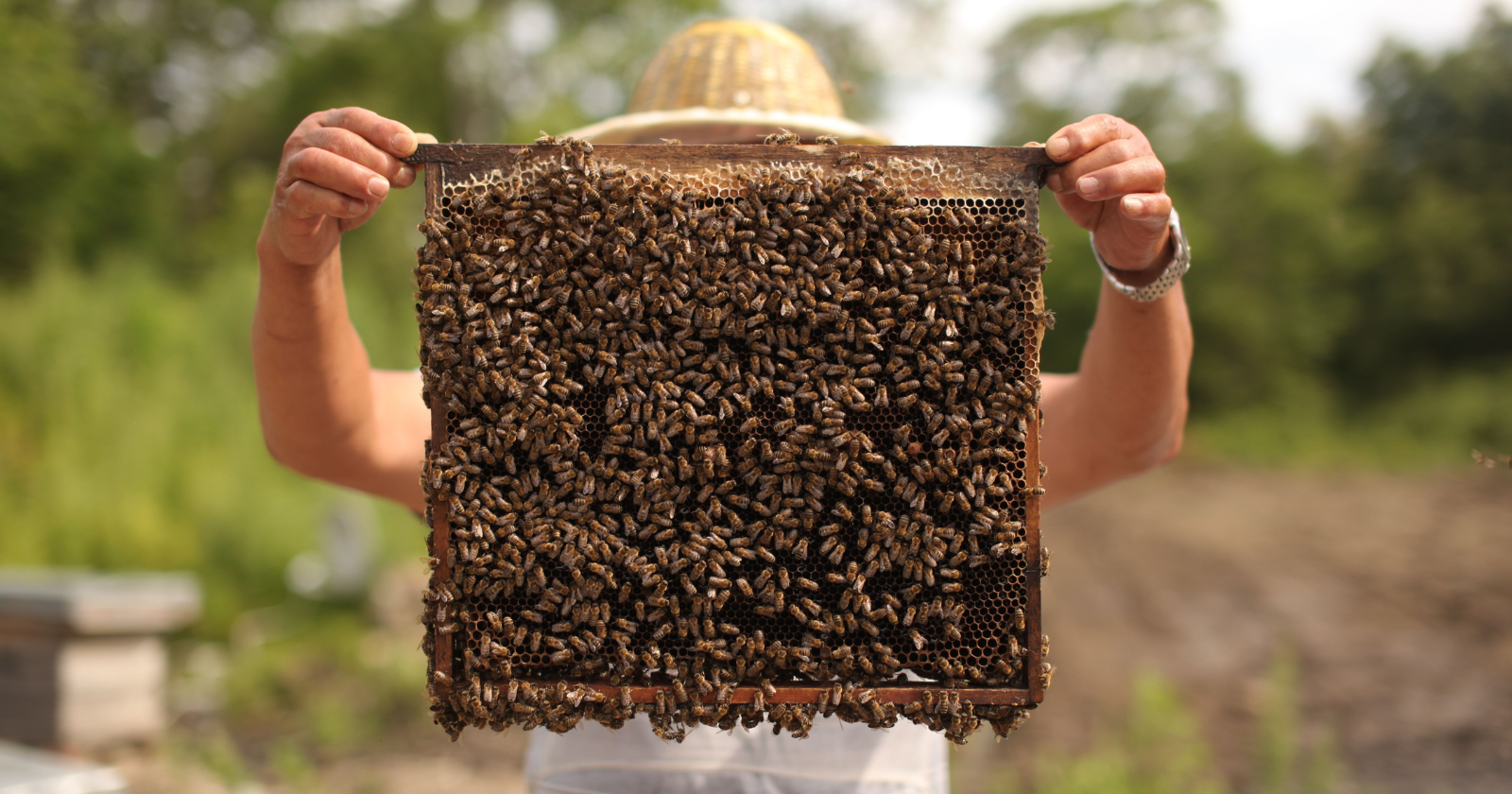
Researchers studying a fossilized tooth socket from a cave in the Dominican Republic uncovered an unusual record of ancient insect activity: six bee nests built inside the same cavity. The discovery is notable because the nests were stacked one after another within a single tooth socket, showing that the space was reused repeatedly.
The fossil tooth socket is reported to be about 20,000 years old, and the cave setting helped preserve this unexpected evidence. Based on the arrangement of the nests, the cavity was likely occupied intermittently over a long stretch of time rather than all at once.
What makes the find especially important is its place in the fossil record. Researchers say bees have never before been documented nesting inside animal bone in the history of paleontology, making this the first known example of that behavior preserved in ancient remains.
The Dominican Republic cave discovery offers a rare glimpse of how bees used available spaces in the past and how those behaviors can survive in the geological record. It also broadens scientific understanding of the kinds of natural structures insects may have exploited over millennia.