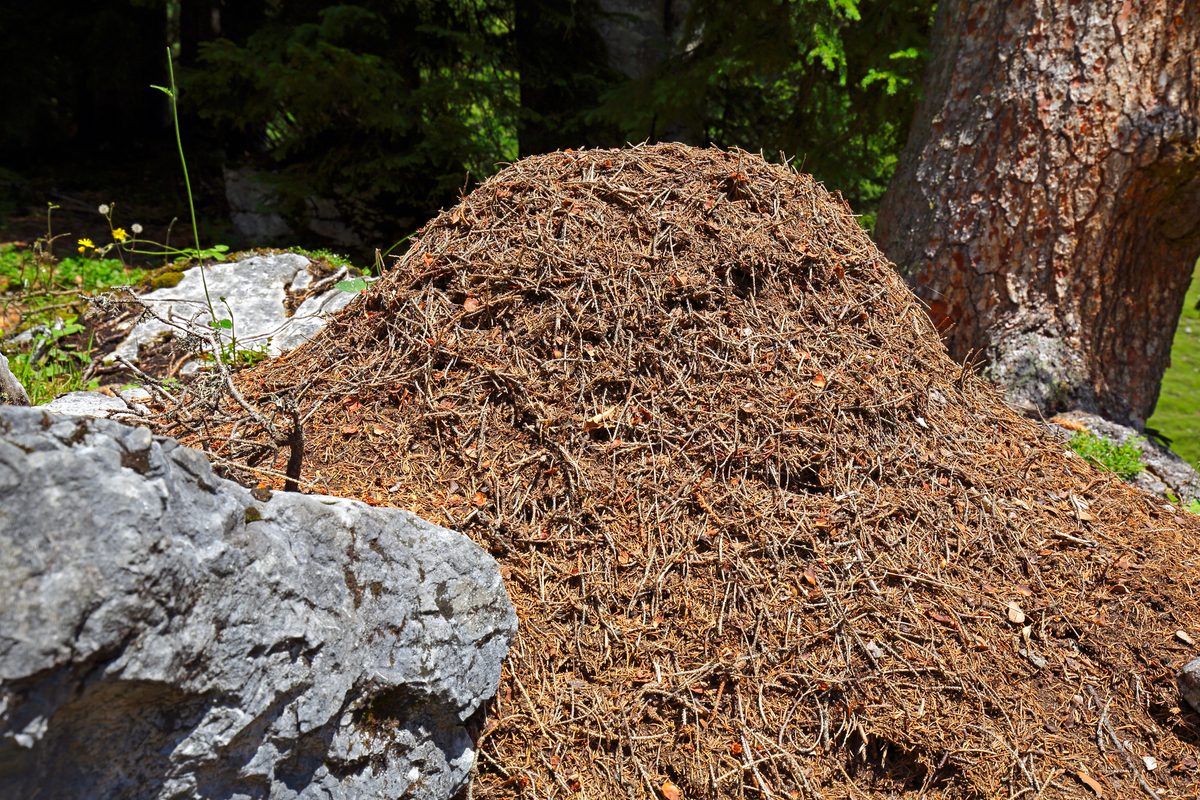
A vast ant supercolony stretching roughly 6,000km along the coasts of Portugal, Spain, France and Italy is being highlighted as one of the most extraordinary examples of animal architecture. Rather than a single nest in one location, the network is described as a huge connected colony that can function like a sprawling city beneath the ground.
The scale is what makes the story remarkable. According to the description, this super-sized colony could contain as many as half a billion ants, turning it into a biological structure on a near-continental scale. That places it far beyond the familiar ant hills and leaf-litter nests many people associate with common species.
The article frames ants as city builders, with subterranean systems that dwarf more visible nests. These underground spaces can support enormous populations and allow colonies to expand across wide coastal regions, linking countless individuals into one larger social system.
The example from southern Europe offers a striking look at how small animals can create immense, organized communities. By spanning several countries and housing billions of individuals across its broader range, the colony shows why ants remain one of the most successful and impressive social animals in the natural world.