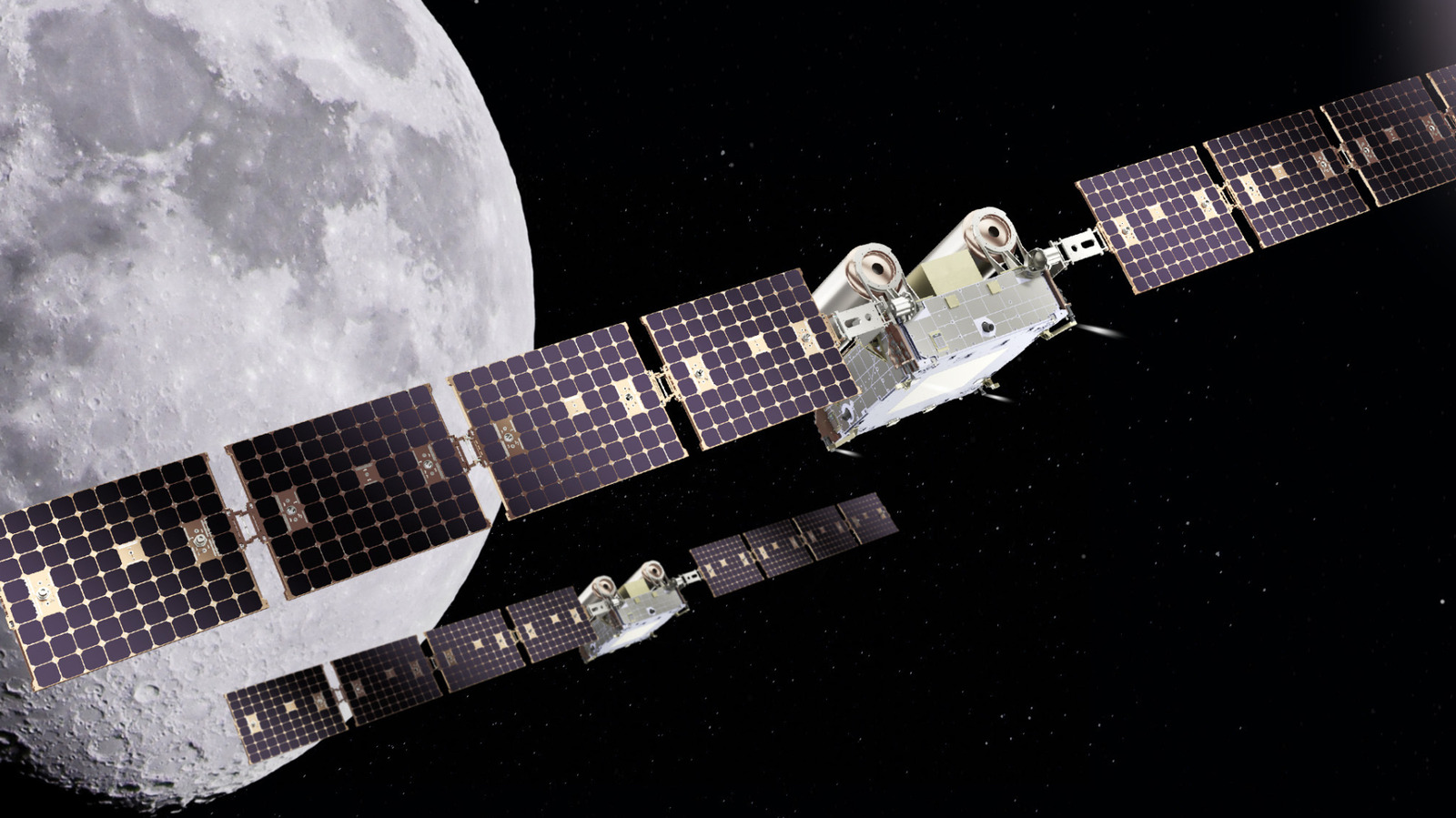
NASA’s CAPSTONE effort is focused on one of the biggest technical hurdles facing a return to the Moon: navigation in the complex region between Earth and lunar orbit. As the agency works toward sending astronauts back, it is testing systems meant to help spacecraft travel and operate more reliably in cislunar space.
The challenge is often described as the three-body problem. In this case, a spacecraft is affected by the gravity of both Earth and the Moon at the same time, making its path harder to predict and control than a simpler orbit around a single body. That creates added difficulty for mission planning, position tracking, and long-term operations near the Moon.
According to the report, NASA has completed the first Cislunar Autonomous Positioning System Technology Operations and Navigation Experiment tied to CAPSTONE. The work is meant to show how a spacecraft could determine its location more independently while operating far from Earth, instead of depending as heavily on constant guidance from ground teams.
That capability could become increasingly important as NASA expands its lunar ambitions. If CAPSTONE helps engineers better understand and manage the Earth-Moon-spacecraft gravity environment, the mission could play a useful role in making future Moon flights safer and more efficient.