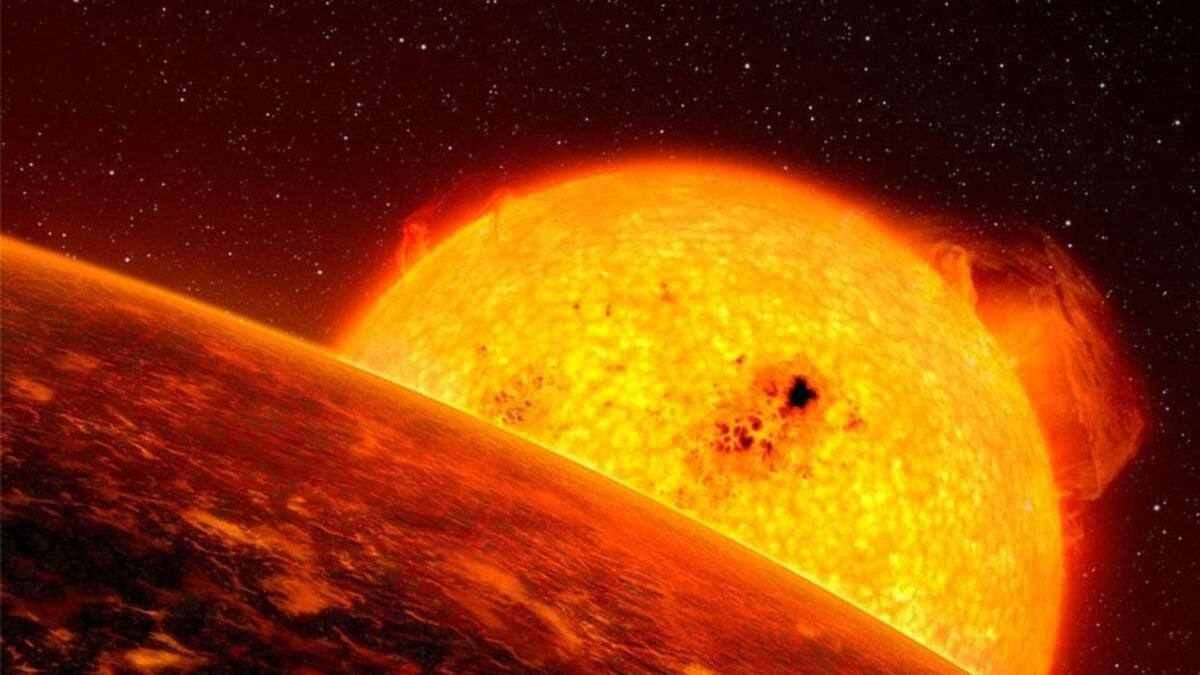
New research is revisiting one of the biggest long-term questions in planetary science: how long Earth can remain habitable as the Sun ages. Scientists have long expected the Sun’s gradual expansion and eventual death to make Earth unlivable, with roughly a billion years left under naturally stable conditions.
The new study, highlighted by Gizmodo, argues that this timeline may not be the final word. According to the report, a system of engineered safeguards could theoretically preserve Earth’s habitability for as long as 9.1 quadrillion years, far beyond the planet’s usual forecast.
The idea appears to focus on deliberate, large-scale interventions designed to protect the planet from the Sun’s changing behavior over immense spans of time. While the concept is highly speculative, it reflects a growing interest in whether advanced engineering could one day help civilizations manage planetary-scale risks instead of simply enduring them.
Even if such a plan remains far from practical, the research pushes the discussion beyond the familiar story of Earth’s eventual decline. It frames habitability not just as a matter of astronomy, but as a challenge that future technology might attempt to reshape on almost unimaginable timescales.