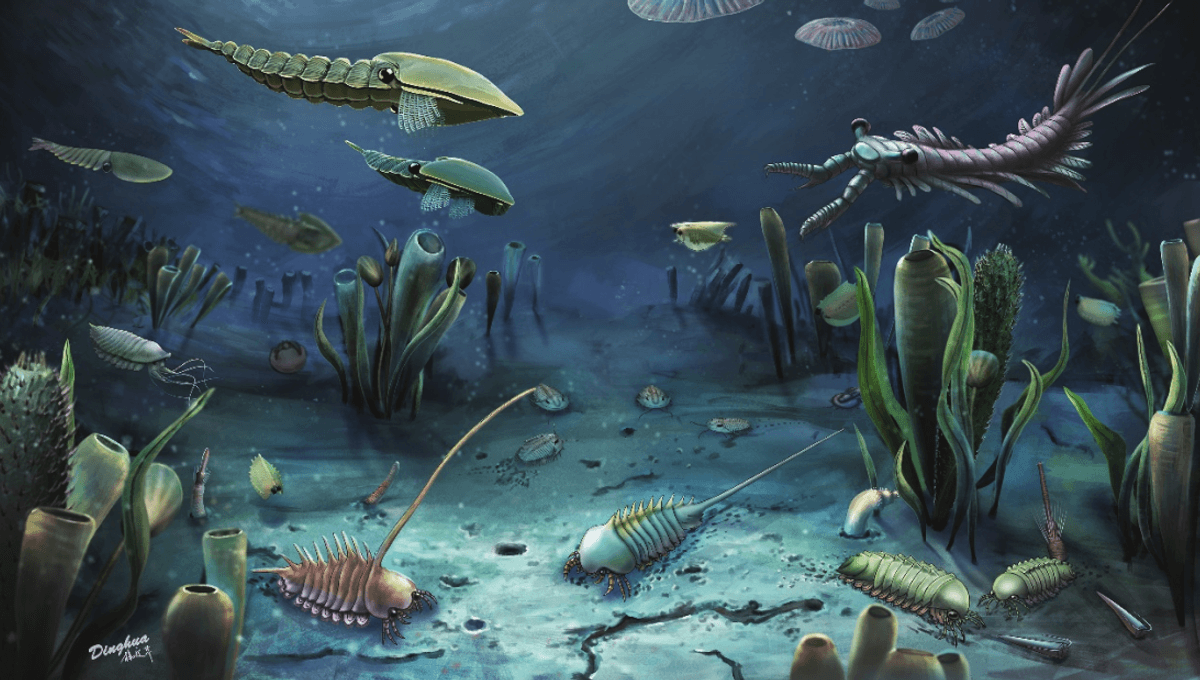
Scientists looking at how Earth responds to major environmental disruption are also studying the deep past, where some of the biggest biological turning points first took shape. One idea highlighted in new coverage is that a “faecal revolution” roughly 540 million years ago may have played an unexpected role in a huge evolutionary leap.
The basic argument is that once early animals began processing food and producing waste in new ways, they did more than change their own biology. Their activity could have altered sediments, nutrient cycles, and the conditions of ancient marine habitats. In turn, those changes may have helped create an environment where more complex life could diversify rapidly.
That link matters because the period is associated with an evolutionary explosion that permanently changed life on Earth. Rather than being driven by one single factor, the shift may have been helped along by everyday biological processes that transformed ecosystems from the seafloor upward. Even something as unglamorous as animal waste may have had planet-shaping consequences.
Researchers are interested in this kind of ancient transition not just for historical curiosity, but because it offers clues about how ecosystems react when the environment changes dramatically. By understanding what helped trigger major biological reorganizations in the past, scientists hope to better grasp how life and the planet can influence each other over time.