Getting into space is not simply a matter of going higher and higher. The central challenge is gaining enough sideways speed that a spacecraft keeps missing the ground as Earth curves away beneath it. For low Earth orbit, that means accelerating to roughly 28,000 kilometres per hour.
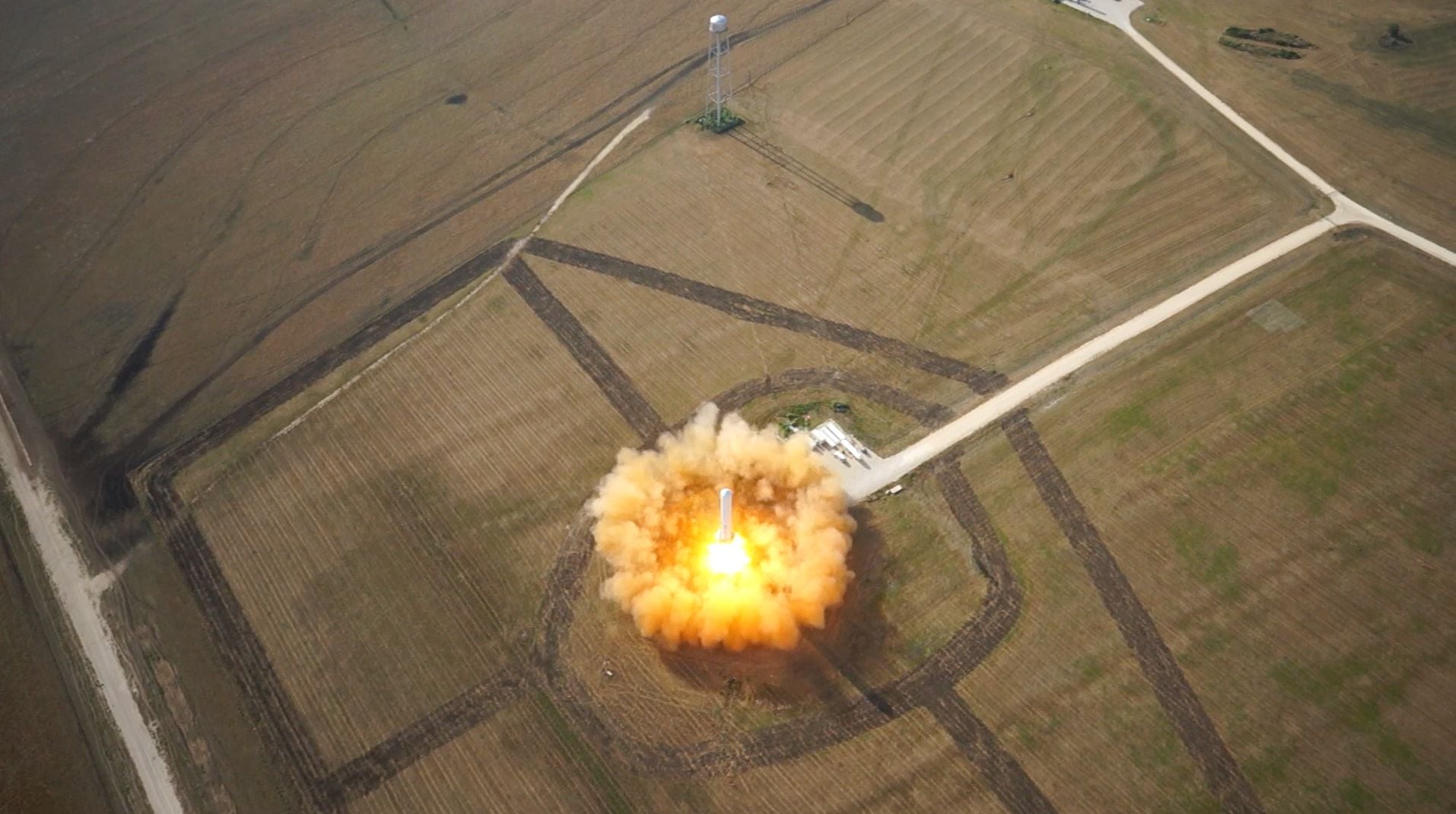
That is why rockets do not continue straight up for the whole trip. They lift off vertically at first because the launch pad is below them and the densest atmosphere is directly overhead. As the vehicle climbs, its path gradually tilts so more of its thrust can be used to build horizontal velocity.
In practical terms, orbit is a balance between gravity and motion. Gravity keeps pulling the spacecraft downward, but if it is moving fast enough sideways, it remains in continuous free-fall around the planet rather than dropping back to the surface. Reaching orbit is therefore as much about speed across Earth as altitude above it.
This explains the familiar arc seen in many launches. The rocket rises away from the ground, then begins a planned turn to trade pure upward motion for the lateral speed needed for orbit. The key to spaceflight is not just climbing into the sky, but accelerating in the right direction until Earth’s curvature matches the spacecraft’s fall.