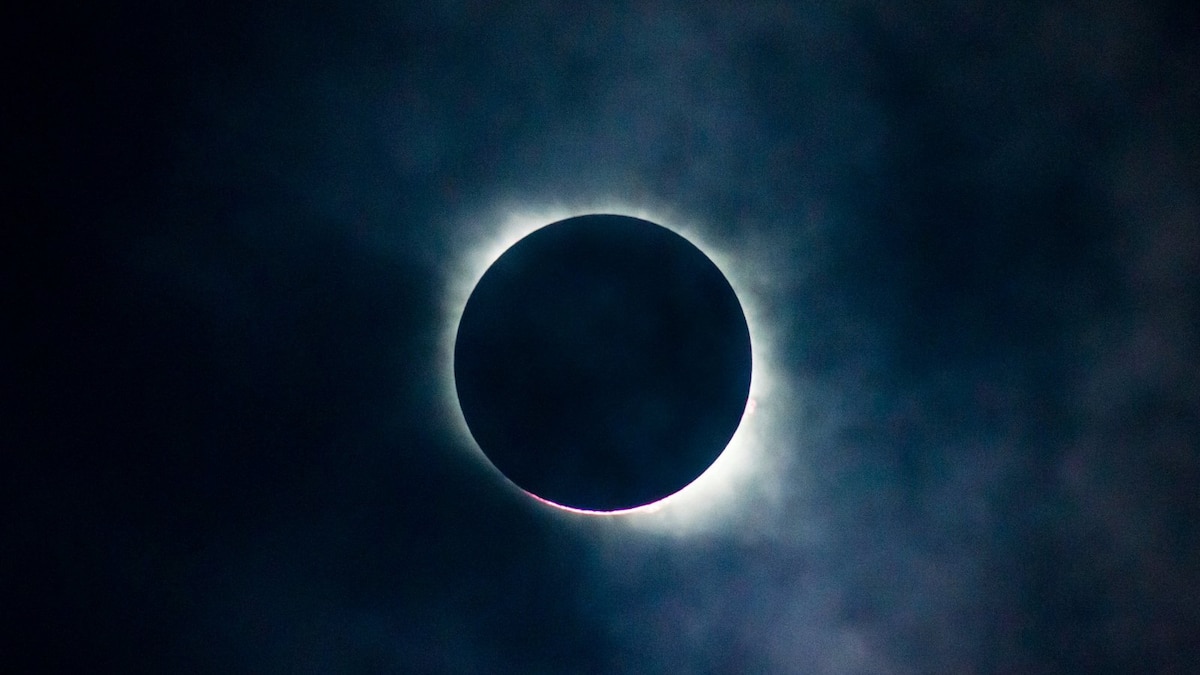
The Perseid meteor shower is already underway after beginning on 17 July, but the main event is still to come. The strongest display is expected on the night of 13 August, when skywatchers could see as many as 100 shooting stars an hour under favorable conditions.
The annual Perseids are one of the most anticipated meteor showers of the year because they can be both bright and frequent at their peak. While they are often called shooting stars, the streaks of light are actually tiny fragments of rock and debris burning up as they pass through Earth’s atmosphere.
For the best chance of seeing the Perseid meteor shower at its peak, dark skies and clear weather are key. Viewers are likely to get the clearest look away from city lights, with patience also important since meteor activity can come in bursts rather than as a constant stream.
Because the shower has been active since mid-July, some meteors may still be visible on nights around the peak as well. Even so, 13 August remains the standout date for anyone hoping to catch the Perseids at their most active and experience one of August’s most striking night-sky events.